Top Technology Trends in 2026: The Future of Innovation Explained
Introduction
Technology is evolving faster than ever before, and 2026 is shaping up to be a transformative year across industries. From artificial intelligence reshaping businesses to quantum computing redefining problem-solving, the digital landscape is undergoing a major shift. Understanding these trends is essential for students, professionals, entrepreneurs, and anyone looking to stay ahead in a rapidly changing world.
In this blog post, we’ll explore the top technology trends in 2026, how they are impacting our lives, and what the future holds.
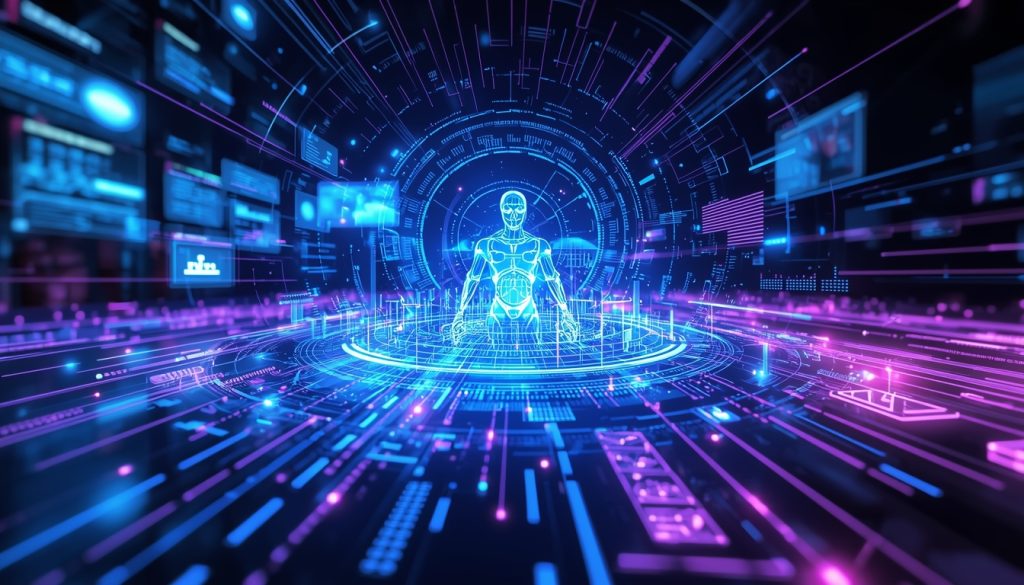
1. Artificial Intelligence (AI) Everywhere
Artificial Intelligence is no longer a futuristic concept—it is now deeply embedded in our daily lives. In 2026, AI has become the backbone of modern technology.
Key Developments:
- Rise of Generative AI for content creation, coding, and design
- Growth of AI agents that can perform tasks independently
- Industry-specific AI solutions in healthcare, finance, and education
- AI integration into apps, devices, and business operations
Impact:
AI is transforming how businesses operate by automating processes, improving decision-making, and enhancing productivity.
2. Physical AI and Robotics
AI is no longer limited to software—it is now entering the physical world through robotics.
Key Developments:
- Use of robots in manufacturing and logistics
- Development of humanoid robots
- Smart machines capable of real-world decision-making
Impact:
Robotics is helping solve labor shortages, increase efficiency, and reduce human error in industries.
3. Quantum Computing Breakthroughs
Quantum computing is moving from research labs to real-world applications.
Key Developments:
- Faster data processing compared to traditional computers
- Applications in finance, healthcare, and cybersecurity
- Hybrid systems combining classical and quantum computing
Impact:
Quantum computing has the potential to solve complex problems that are currently impossible for traditional computers.
4. Next-Generation Cybersecurity
As technology advances, so do cyber threats. Cybersecurity is becoming more important than ever.
Key Developments:
- AI-powered threat detection systems
- Post-quantum encryption methods
- Predictive security measures
Impact:
Organizations are focusing on preventing attacks before they happen, ensuring safer digital environments.
5. Cloud and Edge Computing Evolution
Cloud computing continues to evolve with the rise of edge computing.
Key Developments:
- Data processing closer to devices (edge computing)
- AI-powered cloud infrastructure
- Increased demand for data storage and processing
Impact:
This trend reduces latency, improves performance, and enables real-time applications.
6. Hyperconnectivity: 5G and Beyond
Connectivity is becoming faster and more reliable.
Key Developments:
- Expansion of 5G networks
- Early development of 6G technology
- Improved Internet of Things (IoT) connectivity
Impact:
Hyperconnectivity enables smarter cities, autonomous vehicles, and advanced communication systems.
7. Biotechnology and Human Enhancement
Technology is merging with biology, creating new possibilities in healthcare and human capabilities.
Key Developments:
- AI-driven drug discovery
- Wearable health monitoring devices
- Brain-computer interfaces (BCIs)
Impact:
These innovations are improving healthcare outcomes and opening doors to human enhancement technologies.
8. Blockchain and Digital Trust
Blockchain technology is evolving beyond cryptocurrencies.
Key Developments:
- Digital identity systems
- Secure data sharing
- Transparent supply chains
Impact:
Blockchain is helping build trust in digital transactions and data management.
9. Green and Sustainable Technology
Sustainability is becoming a key focus in technology development.
Key Developments:
- Energy-efficient data centers
- Renewable energy technologies
- Carbon tracking systems
Impact:
Green technology is helping reduce environmental impact and promote sustainable growth.
10. Multi-Agent and Autonomous Systems
AI systems are becoming more advanced, capable of working together and making decisions.
Key Developments:
- Multiple AI agents collaborating
- Autonomous systems in logistics and business
- Self-learning systems
Impact:
These systems improve efficiency and enable automation on a large scale.
Key Trends Shaping the Future
Across all these technologies, several common themes emerge:
- AI is at the center of innovation
- Physical and digital worlds are merging
- Security and trust are critical priorities
- Sustainability is driving technological advancements
- Automation is becoming widespread
Why These Trends Matter
Understanding these trends is important because they:
- Shape future careers and job opportunities
- Influence global economies
- Transform industries and daily life
- Create new business opportunities
Conclusion
The technology trends of 2026 highlight a world that is more connected, intelligent, and automated than ever before. From AI-powered systems to sustainable innovations, these advancements are reshaping how we live and work.
Staying informed about these trends is not just useful—it’s essential. Whether you’re a student, a professional, or an entrepreneur, embracing these technologies can help you stay competitive in the digital age.
FAQs
1. What is the most important technology trend in 2026?
Artificial Intelligence (AI) is considered the most important trend as it powers many other technologies.
2. How will AI impact jobs?
AI will automate repetitive tasks but also create new job opportunities in tech and data-related fields.
3. What is quantum computing used for?
It is used for solving complex problems in areas like finance, healthcare, and cybersecurity.
4. Why is cybersecurity important in 2026?
With increased digitalization, protecting data and systems from cyber threats is critical.
5. What is the future of technology?
The future lies in smart, connected, and autonomous systems that improve efficiency and quality of life.