iPhone 20: Expected Features, Design, Release Date, Price, and Everything We Know So Far
Introduction: Why Is Everyone Talking About the iPhone 20?
Apple’s iPhone lineup has changed the smartphone industry over the past two decades. From the original iPhone in 2007 to today’s advanced models, every generation has introduced new technologies, improved cameras, faster processors, and smarter software experiences.
Now, attention is gradually shifting toward the iPhone 20, a name that could become particularly significant around Apple’s 20th iPhone anniversary in 2027.
Although Apple has not officially announced an iPhone 20, expectations are already building around what could be one of the company’s most ambitious smartphone generations.
Will it introduce a completely redesigned body? Could Apple finally move toward a truly all-screen iPhone? Will artificial intelligence become a more important part of everyday smartphone use? And how much might this next-generation device cost?
In this article, we’ll explore the expected iPhone 20 design, display, camera, performance, battery, software, possible release date, and price. We’ll also separate reasonable expectations from unconfirmed rumors so readers can make informed decisions.
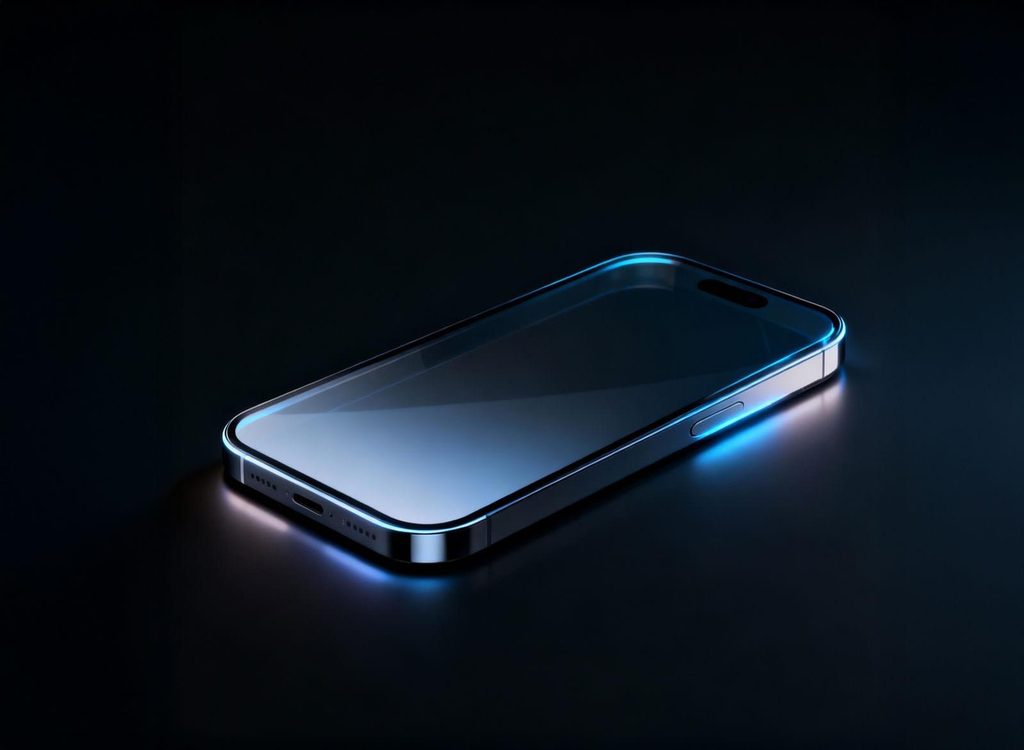
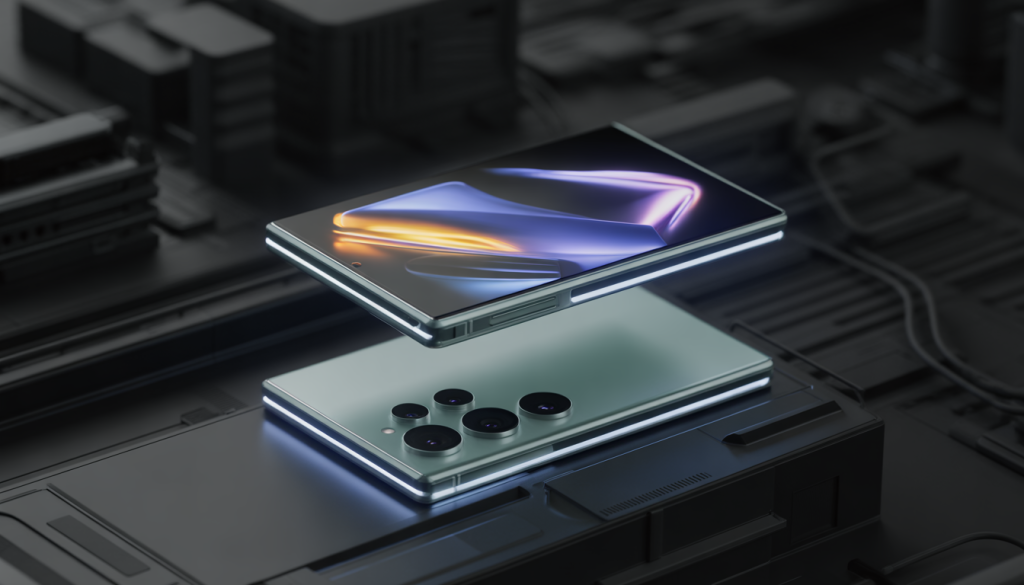
Concept illustration only. Not an official Apple product image.
Important: The iPhone 20 discussed in this article is an anticipated product, not an officially confirmed device. All specifications, features, pricing, and design possibilities below are expectations rather than verified product details.
1. iPhone 20 Expected Release Date
The iPhone 20 is widely expected to arrive in September 2027, when Apple celebrates the 20th anniversary of the original iPhone.
Apple introduced the first iPhone in January 2007, and it became commercially available in June of that year. The 10th-anniversary iPhone X arrived in September 2017, introducing a major redesign.
The 20th anniversary creates another opportunity for Apple to make a significant change to its smartphone lineup.
Will Apple Skip the iPhone 19?
One interesting possibility is that Apple may skip the iPhone 19 name and move directly from the iPhone 18 generation to the iPhone 20.
This would be similar to what happened in 2017, when Apple introduced the iPhone 8 and iPhone X instead of an iPhone 9.
However, the naming strategy has not been officially confirmed.
Expected Release Timeline
| Event | Expected timing |
|---|---|
| Official announcement | September 2027 |
| Pre-orders | September 2027 |
| First availability | September 2027 |
| Global expansion | September–October 2027 |
These dates are estimates based on Apple’s traditional launch schedule, not an official release calendar.
2. iPhone 20 Design: A New Era of Smartphone Design?
Design could be one of the biggest reasons to pay attention to the iPhone 20.
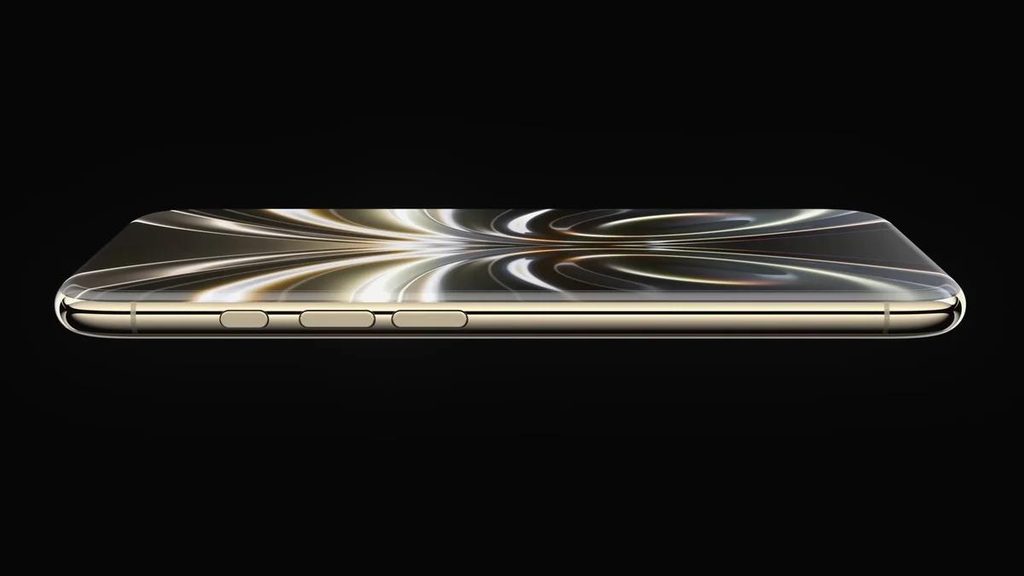
Apple has reportedly been working on a glass-focused redesign for its 2027 iPhone Pro models. Reports describe a device with curved glass extending around the edges and a narrow metal frame running through the middle.
If this design reaches the final product, the iPhone 20 could look noticeably different from previous generations.
Curved Glass on All Four Sides
One of the most interesting rumored design features is a quad-curved glass construction.
Instead of using a traditional flat display with visible borders, Apple could use gently curved glass around all four edges.
This approach may offer several benefits:
- A more immersive viewing experience.
- A smoother appearance from different viewing angles.
- More comfortable edge gestures.
- A premium, seamless appearance.
- Potentially slimmer-looking bezels.
However, curved screens can also introduce practical problems, including accidental touches, reflections, and higher repair costs.
Apple would need to balance visual appeal with everyday usability.
An Almost All-Screen Front
The biggest design ambition could be an iPhone with an uninterrupted front display.
Apple may attempt to hide more front-facing components beneath the screen, including Face ID sensors and the selfie camera.
A completely uninterrupted display would mean no traditional notch or Dynamic Island.
However, this remains uncertain. Display analyst reports suggest that under-display Face ID and camera technology may not be ready for a completely cutout-free 2027 iPhone.
A smaller camera opening or another reduced front-display cutout could remain.
Premium Frame and Build Quality
The rumored design points toward curved front and rear glass with a thin metal band between them.
The exact frame material is not confirmed. Aluminum is one possibility, although the final material could depend on durability, thermal performance, weight, and manufacturing requirements.
We should not assume that Apple will use titanium simply because it has appeared in previous premium iPhones.
Solid-State Haptic Buttons
Another interesting possibility is the introduction of solid-state buttons.
Traditional smartphone buttons physically move when pressed. Solid-state controls would instead use vibration or haptic feedback to simulate the feeling of a physical press.
Potential advantages include:
- Fewer moving mechanical components.
- A more seamless exterior design.
- Consistent feedback.
- Greater flexibility for button functions.
- Potential improvements in long-term mechanical durability.
Apple has reportedly explored this technology for several generations. Whether it will be ready for the iPhone 20 remains to be seen.
3. iPhone 20 Display: What Can Users Expect?
The display could become one of the most impressive parts of the anniversary iPhone.
Apple has already invested heavily in OLED technology, brightness, color accuracy, refresh rates, and power efficiency. The next major improvement could focus on making the display feel more integrated with the phone’s physical design.
Expected Display Technology
The iPhone 20 is rumored to use an advanced OLED panel with micro-curved edges.
Reports also suggest Apple is exploring thinner OLED technology that could improve light transmission and reduce display thickness.
Potential display improvements include:
| Display feature | Current expectation |
|---|---|
| Display type | Advanced OLED |
| Design | Micro-curved, quad-edge concept |
| Refresh rate | High-refresh-rate ProMotion |
| Screen protection | Next-generation durable glass |
| Bezels | Extremely slim |
| Front camera | Possibly under-display |
| Face ID | Under-display technology is possible but unconfirmed |
These are anticipated features, not confirmed specifications.
Larger Screen Experience
Rumors suggest Apple could test two screen sizes for its anniversary Pro models:
- Approximately 6.4 inches for the smaller model.
- Approximately 7 inches for the larger model.
The larger version could provide more room for video editing, gaming, reading, multitasking, and professional applications.
However, a larger display does not automatically mean a better experience. Weight, one-handed usability, battery efficiency, and screen durability will also matter.
Is a 120Hz Display Expected?
A high-refresh-rate display would be a reasonable expectation for a premium anniversary iPhone.
A 120Hz panel makes scrolling, animations, supported games, and interface interactions appear smoother than a traditional 60Hz display.
Since high-refresh-rate technology is already established in Apple’s premium lineup, the iPhone 20 would likely continue improving this experience rather than introduce it for the first time.
4. iPhone 20 Camera: Could Apple Introduce a Major Upgrade?
Camera performance is one of the most important reasons people choose premium smartphones.
Apple has consistently improved its photography and video technology, particularly in low-light photography, computational image processing, stabilization, and professional video recording.
The iPhone 20 could continue this progress with improved sensors and computational photography.
Improved Main Camera
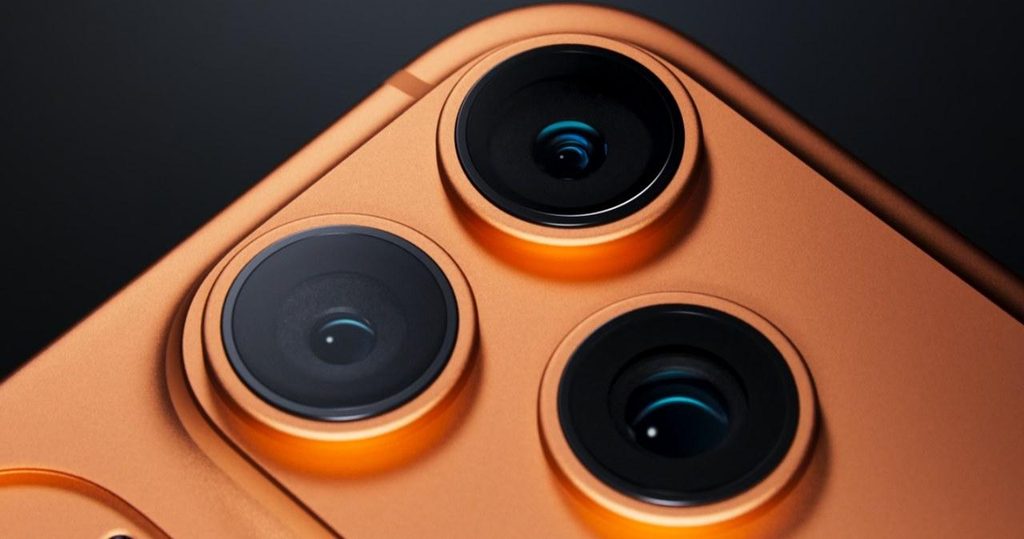
The primary camera could receive a next-generation image sensor designed to capture more detail and improve dynamic range.
A better sensor could help users capture:
- More natural skin tones.
- Better detail in shadows.
- Improved highlights in bright sunlight.
- Cleaner night photographs.
- More balanced exposure in difficult lighting.
Apple’s iPhone 18 Pro generation already introduced a 48MP main camera with variable aperture, providing a useful example of the company’s ongoing camera development. Apple
Better Low-Light Photography
Low-light photography remains challenging for smartphone cameras.
When taking photographs at night, small sensors must deal with limited light, movement, noise, and artificial lighting.
The iPhone 20 could benefit from improvements in:
- Sensor sensitivity.
- Optical image stabilization.
- Night-mode processing.
- Multi-frame image combination.
- AI-powered noise reduction.
These improvements could make nighttime photographs clearer without requiring users to understand professional camera settings.
Telephoto and Optical Zoom
A more advanced telephoto camera would be useful for travel photography, portraits, sports, and wildlife photography.
Apple could improve optical zoom capabilities through upgraded lens components and image sensors.
However, there is currently no verified basis for assigning a specific optical zoom range to the iPhone 20.
Next-Generation Selfie Camera
A redesigned front camera could be especially important if Apple moves more sensors beneath the display.
The challenge will be maintaining image quality while allowing light to pass through the display panel.
Users should expect improvements in image processing and video calls, but an under-display selfie camera should not be treated as guaranteed.
Professional Video Recording
Apple’s premium iPhones are popular with content creators, filmmakers, journalists, and social media users.
The iPhone 20 could improve:
- 4K video recording.
- Stabilization.
- HDR video.
- Cinematic video processing.
- Audio recording.
- Color grading flexibility.
- External recording workflows.
These are logical areas for improvement, rather than confirmed recording specifications.
5. iPhone 20 Performance: A New-Generation Apple Chip
Performance will be another major consideration.
Apple’s custom-designed A-series processors power its iPhones and help balance processing speed, graphics performance, battery consumption, and machine-learning workloads.
The iPhone 20 could introduce a next-generation A-series processor, potentially built using an advanced manufacturing process.
Expected A-Series Processor
The exact processor name has not been confirmed.
If Apple follows its established naming pattern, an A21-series chip could be a possibility for the 2027 generation. However, the company could choose a different naming strategy.
A future-generation processor could deliver improvements in:
- CPU performance.
- Graphics processing.
- Neural Engine capabilities.
- Power efficiency.
- Gaming performance.
- AI processing.
- Video rendering.
Apple’s A20 Pro, introduced with the iPhone 18 Pro generation, already uses a 2-nanometer manufacturing process. This provides a technological starting point for the next generation of Apple silicon. Apple+1
Better Gaming Performance
Mobile gaming continues to demand more powerful processors and graphics hardware.
A future iPhone 20 could provide a smoother experience in demanding games, especially when combined with improved thermal management.
Possible improvements include:
- More stable frame rates.
- Better graphics rendering.
- Reduced performance throttling.
- Improved power efficiency.
- Faster game loading.
For serious mobile gamers, sustained performance may be more important than short benchmark bursts.
Improved Thermal Management
A powerful processor can generate significant heat, particularly during gaming, video recording, and intensive AI operations.
Apple could improve internal cooling through better heat distribution, more efficient chip packaging, and redesigned thermal components.
The goal would be to maintain consistent performance without making the device uncomfortable to hold.
6. iPhone 20 and Apple Intelligence: A Smarter Smartphone
Artificial intelligence could be one of the defining features of the next generation of iPhones.
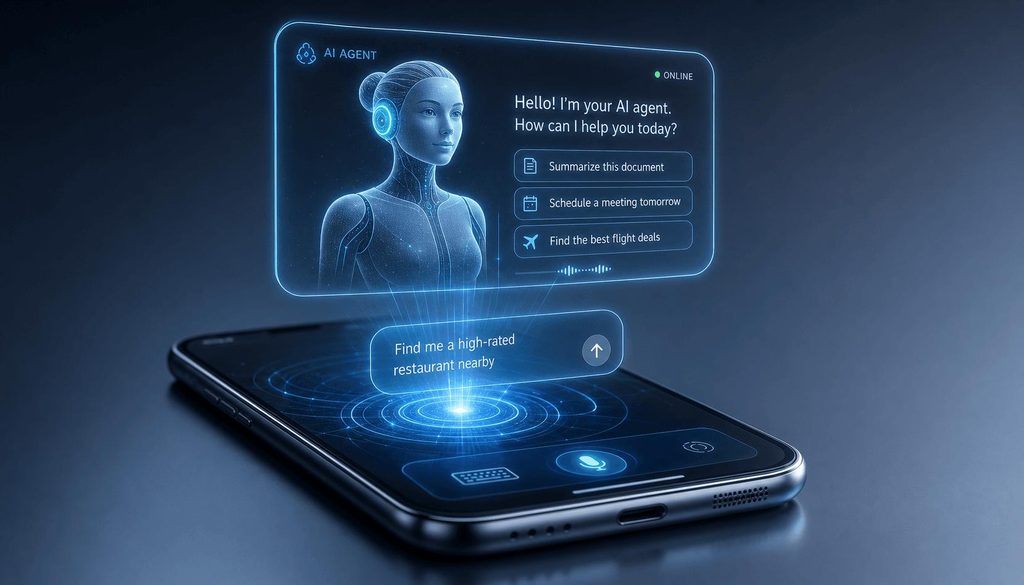
Apple is already developing Apple Intelligence and more capable Siri experiences. By 2027, these technologies could become more deeply integrated into everyday iPhone functions.
A More Advanced Siri
A future version of Siri could become more conversational and context-aware.
Instead of simply answering basic questions, it could potentially help users complete complicated tasks.
For example:
- Summarize long email conversations.
- Find information across different apps.
- Organize schedules.
- Rewrite messages.
- Understand information displayed on the screen.
- Help users locate photographs and documents.
The extent of these capabilities will depend on Apple’s actual software development and supported languages.
AI-Powered Photography
AI could make the iPhone 20 camera more useful by improving image processing.
Potential applications include:
- Removing unwanted objects.
- Improving portrait lighting.
- Enhancing image details.
- Adjusting backgrounds.
- Improving night photography.
- Making advanced editing easier for beginners.
The most useful AI camera features will be those that improve photographs without making them look unnatural.
On-Device AI and Privacy
Privacy is an important part of Apple’s product strategy.
Apple Intelligence combines on-device processing with Private Cloud Compute for supported tasks.
The iPhone 20 could benefit from a more powerful Neural Engine, allowing additional AI functions to run directly on the device.
However, the exact AI architecture and available features will depend on the final hardware and software.
AI Productivity Features
A smarter iPhone could become a more useful productivity assistant.
Imagine asking your phone to summarize a meeting, organize notes, prepare a message, or find a particular document.
These features could make the device more valuable for students, business professionals, content creators, and everyday users.
Importantly, AI capabilities may differ by country, language, device configuration, and software availability.
7. iPhone 20 Battery Life and Charging
Battery life is one of the most important factors in everyday smartphone use.
Even a premium device with an excellent camera and powerful processor becomes frustrating if users constantly need to recharge it.
Apple could explore improved battery materials and more efficient internal components for the iPhone 20.
New Battery Technology
One reported area of development is silicon-anode battery technology.
Compared with conventional graphite-based anodes, silicon can offer higher lithium-ion storage capacity by weight. This creates the possibility of greater energy density.
If Apple successfully integrates this technology, future iPhones could potentially deliver longer battery life without requiring a significantly larger battery.
However, there is no confirmation that the iPhone 20 will use a particular battery chemistry. MacRumors
Faster Charging
Users would also welcome improvements in wired and wireless charging.
Potential areas of development include:
- Faster USB-C charging.
- Improved charging efficiency.
- Better thermal management.
- More efficient MagSafe charging.
- Smarter battery-health management.
Specific charging speeds should not be assumed until Apple publishes official specifications.
Longer Battery Life for Everyday Users
A well-optimized iPhone 20 should aim to handle a full day of normal use.
Activities such as browsing, streaming, photography, navigation, video calls, and gaming can consume different amounts of power.
The combination of a more efficient processor, optimized OLED display, and improved battery technology could make a noticeable difference.
8. iPhone 20 Software: Expected iOS Experience
Software is just as important as hardware in determining the overall iPhone experience.
If Apple launches the iPhone 20 in September 2027, it will likely introduce it with the major iOS release scheduled for that year.
The final iOS version and its name have not been confirmed.
A More Refined User Interface
Apple may continue refining its Liquid Glass design language and introduce additional customization options.
Potential improvements could include:
- More flexible home-screen customization.
- Improved widgets.
- Better notification management.
- Enhanced multitasking.
- Smarter app integration.
- More advanced accessibility features.
Better Security and Privacy
Apple is expected to continue improving its security features.
Possible areas of development include stronger biometric authentication, improved app permissions, better anti-tracking controls, and more transparent AI privacy management.
Longer Software Support
Apple has a history of providing software updates for many iPhone generations.
Although the exact support period for the iPhone 20 is unknown, buyers of a premium 2027 iPhone should reasonably expect a long-term software commitment.
9. iPhone 20 Connectivity: 5G, Wi-Fi, and Satellite Features
Modern smartphones need reliable connectivity for communication, entertainment, navigation, and productivity.
The iPhone 20 could introduce another generation of Apple’s wireless networking and cellular technologies.
Advanced 5G Connectivity
The iPhone 20 is expected to support advanced 5G connectivity, although its final modem specifications are unknown.
Potential improvements could include:
- Better network efficiency.
- Improved upload and download performance.
- More reliable connections.
- Better signal management.
- Reduced power consumption.
Actual performance will depend on the user’s mobile carrier, network infrastructure, and location.
Wi-Fi and Bluetooth
Future wireless networking upgrades could improve connection stability and data transfer speeds.
Wi-Fi 7 and Bluetooth 6 are already supported by the iPhone 18 Pro generation, so Apple may focus on further refinements or newer standards by 2027. Apple
Satellite Communication
Satellite communication has become an important part of Apple’s emergency connectivity strategy.
The iPhone 20 could expand satellite-based communication capabilities, although supported services will depend on Apple’s partnerships and regional availability.
These features could be particularly useful for travelers, hikers, and people visiting locations with limited cellular coverage.
10. iPhone 20 Expected Specifications
At this stage, there is no official iPhone 20 specification sheet. The following table separates reasonable expectations from unconfirmed details.
| Feature | Expected specification |
|---|---|
| Product name | iPhone 20 / Anniversary iPhone |
| Expected launch | September 2027 |
| Display | Advanced OLED |
| Screen sizes | Around 6.4 and 7 inches rumored |
| Refresh rate | Up to 120Hz or newer |
| Design | Curved glass-focused design |
| Frame | Thin metal band |
| Processor | Next-generation A-series chip |
| Operating system | 2027-generation iOS |
| Rear cameras | Advanced multi-camera system |
| Main camera | Next-generation high-resolution sensor |
| Front camera | Improved camera, possibly under-display |
| Face ID | Under-display implementation possible |
| Battery | Improved capacity and efficiency |
| Charging | USB-C and wireless charging |
| Connectivity | 5G, Wi-Fi, Bluetooth |
| AI | Next-generation Apple Intelligence |
Disclaimer: This is an editorial expectations table, not an official specification sheet. Final hardware may differ significantly.
11. iPhone 20 Expected Price: How Much Could It Cost?
Pricing will be one of the biggest questions for potential buyers.
Apple’s premium iPhones already occupy the higher end of the smartphone market. An anniversary edition with a substantially redesigned display, advanced materials, and new hardware could carry a premium price.
For context, Apple’s iPhone 18 Pro launched at a US starting price of $1,199, while the iPhone 18 Pro Max started at $1,299. These are existing product prices, not iPhone 20 pricing. Apple
Expected iPhone 20 Price by Market
There is no reliable official iPhone 20 price yet. The following table provides a planning framework rather than a price forecast.
| Market | What buyers should expect |
|---|---|
| United States | Premium flagship pricing |
| United Kingdom | Premium flagship pricing in GBP |
| Europe | Country-specific EUR pricing |
| India | Local taxes and import costs may affect pricing |
| Bangladesh | Import duties, VAT, and retailer margins may affect pricing |
| Australia | Regional Apple pricing in AUD |
| Canada | Regional Apple pricing in CAD |
Will the iPhone 20 Be More Expensive?
Several factors could influence the final price:
- Advanced OLED display manufacturing.
- New curved-glass construction.
- More expensive camera components.
- Next-generation processor manufacturing.
- Higher memory requirements.
- Additional AI processing capabilities.
- Manufacturing complexity.
However, an anniversary product does not automatically mean a dramatic price increase.
Apple could maintain familiar pricing to encourage upgrades, or charge more for its highest-end configuration.
Buyers should wait for official regional prices rather than rely on early online estimates.
12. iPhone 20 vs iPhone 18 Pro: What Could Change?
The iPhone 18 Pro provides a useful reference point for understanding how Apple’s premium smartphone experience might evolve.
| Category | iPhone 18 Pro | Expected iPhone 20 |
|---|---|---|
| Design | Modern Pro design | More extensive redesign |
| Display | OLED with smaller Dynamic Island | Micro-curved OLED concept |
| Processor | A20 Pro | Next-generation A-series |
| Camera | 48MP main camera with variable aperture | Potentially improved sensor system |
| AI | Apple Intelligence and Siri AI | More advanced AI features possible |
| Buttons | Physical controls | Solid-state controls rumored |
| Face ID | Dynamic Island design | Under-display Face ID possible |
| Battery | Improved battery life | New battery technology possible |
The iPhone 18 Pro specifications in this comparison are based on Apple’s announcement. The iPhone 20 column contains unconfirmed expectations. Apple+1
Is It Worth Waiting for the iPhone 20?
That depends on your current smartphone and how urgently you need an upgrade.
You may want to wait if:
- You already own a recent flagship smartphone.
- You enjoy trying new smartphone designs.
- You want the latest Apple processor.
- You are interested in advanced AI features.
- You are not in a hurry to replace your current device.
You may not need to wait if:
- Your current phone has battery problems.
- You need a better camera today.
- Your smartphone no longer receives important software updates.
- You want a premium iPhone without waiting another year.
Remember that future products always involve uncertainty. It is better to choose a smartphone based on your actual needs than to postpone an upgrade indefinitely.
13. iPhone 20 vs Samsung Galaxy Flagships
Apple and Samsung are two of the biggest competitors in the premium smartphone market.
Samsung has traditionally focused on advanced display technology, camera versatility, customization, and foldable smartphones. Apple emphasizes its integrated hardware and software experience, ecosystem, privacy features, and video capabilities.
The iPhone 20 could make this competition more interesting.
| Feature | Expected iPhone 20 | Samsung Galaxy Ultra series |
|---|---|---|
| Operating system | iOS | Android |
| Design | Curved glass-focused concept | Premium Galaxy design |
| AI | Apple Intelligence | Galaxy AI |
| Customization | iOS ecosystem | Extensive Android customization |
| Camera | Advanced Apple camera system | Multi-camera flagship system |
| Ecosystem | Apple devices and services | Samsung and Android ecosystem |
The comparison is based on broad product philosophies, not a direct benchmark between unreleased products.
For someone already using a Mac, iPad, and Apple Watch, the iPhone 20 could offer an attractive connected experience. Android users who prefer greater interface customization may continue to favor Samsung’s premium devices.
14. Who Should Consider Buying the iPhone 20?
If Apple delivers the expected improvements, the iPhone 20 could appeal to several different types of users.
1. Existing iPhone Users
People using older iPhones may find the anniversary generation particularly attractive if it brings meaningful improvements to display technology, cameras, and battery life.
2. Content Creators
YouTubers, vloggers, photographers, and social media creators could benefit from improved video recording, camera controls, and processing performance.
3. Business Professionals
A combination of advanced security, AI productivity tools, reliable connectivity, and long-term software support could make the iPhone 20 a useful business device.
4. Mobile Gamers
A newer processor and improved thermal management could make it attractive to people who play demanding mobile games.
5. Technology Enthusiasts
People who enjoy new smartphone designs and emerging technologies may find the anniversary iPhone particularly interesting.
15. How to Prepare Before Buying the iPhone 20
If you are planning to purchase Apple’s 2027 anniversary iPhone, a little preparation can help you avoid unnecessary spending.
Here is a practical buying guide.
Step 1: Decide which model you need
Wait for Apple to announce the complete lineup. Compare the standard, Pro, and larger-screen options before choosing.
Step 2: Set a realistic budget
Include the phone, case, screen protection, charger if needed, and any applicable taxes.
Step 3: Compare storage options
Choose storage based on your usage.
- 256GB: Suitable for many everyday users.
- 512GB: Better for frequent photography and video.
- 1TB or more: Worth considering for professional content creation and large media libraries.
These are general storage recommendations, not confirmed iPhone 20 configurations.
Step 4: Check network compatibility
If you are purchasing an imported iPhone, confirm that its model supports your country’s cellular bands and network services.
Step 5: Check SIM compatibility
Some iPhone models may be eSIM-only, depending on the market. Confirm physical SIM and eSIM support before purchasing.
Step 6: Compare warranty and after-sales support
Check whether Apple or an authorized service provider offers suitable support in your country.
Step 7: Wait for independent reviews
Don’t make a purchase decision based only on promotional videos or early rumors. Read camera comparisons, battery tests, durability reviews, and real-world performance evaluations.
16. Is the iPhone 20 the Most Important iPhone in Apple’s History?
It is too early to make that claim, but the anniversary timing makes the device particularly interesting.
The original iPhone changed how people interacted with mobile technology. The iPhone 4 introduced Retina display technology, the iPhone X transformed the front design, and later generations expanded camera, performance, and connectivity capabilities.
The 20th-anniversary generation has an opportunity to create another meaningful milestone.
However, a beautiful design alone will not make it a successful smartphone.
Apple will need to deliver improvements that users can notice in everyday situations:
- Better battery life.
- Reliable performance.
- Excellent photography.
- A comfortable display.
- Useful AI features.
- Strong durability.
- Competitive long-term value.
If Apple can combine these improvements with an innovative design, the iPhone 20 could become one of the most memorable releases in the company’s smartphone history.
17. Frequently Asked Questions About iPhone 20
1. When will the iPhone 20 be released?
The iPhone 20 is expected to launch in September 2027, potentially as part of Apple’s 20th-anniversary celebrations. Apple has not confirmed an official launch date.
2. Will Apple release an iPhone 20 in 2027?
There are strong industry expectations that Apple will introduce a special anniversary iPhone in 2027. However, the final product name remains unconfirmed.
3. Will Apple skip the iPhone 19?
Apple may skip the iPhone 19 branding and move directly to iPhone 20 or another anniversary-related name. This is currently a rumor, not an official decision.
4. Will the iPhone 20 have an all-screen display?
Apple is reportedly exploring a display with extremely slim bezels and fewer visible cutouts. A completely uninterrupted screen is possible but not guaranteed.
5. Will the iPhone 20 have an under-display camera?
An under-display selfie camera is among the rumored technologies being explored for the anniversary generation. Its final inclusion is uncertain.
6. Will the iPhone 20 have Face ID?
Face ID is expected to remain an important part of Apple’s security system. Apple could potentially move some Face ID components beneath the display.
7. Will the iPhone 20 have a curved display?
Reports suggest Apple is developing a micro-curved display design that extends around the device’s edges. The final display construction remains unconfirmed.
8. What processor will the iPhone 20 use?
The iPhone 20 will likely feature a next-generation Apple A-series processor. An A21-series chip is a possibility, but its name and specifications have not been confirmed.
9. Will the iPhone 20 support Apple Intelligence?
It is reasonable to expect further Apple Intelligence development by 2027. However, specific AI features will depend on the final hardware, software, and regional availability.
10. Will the iPhone 20 have a better camera?
A new camera system with improved sensors, image processing, low-light photography, and video capabilities is a reasonable expectation for Apple’s anniversary flagship.
11. Will the iPhone 20 have better battery life?
Apple may introduce more efficient battery technology and processor improvements. These could help extend battery life, but no official capacity or endurance figures are available.
12. How much will the iPhone 20 cost?
Apple has not announced its price. Given its expected premium positioning, buyers should anticipate flagship-level pricing, potentially higher for advanced configurations.
13. Will the iPhone 20 support 5G?
5G support is a reasonable expectation for a premium 2027 iPhone. Exact modem specifications and supported network bands remain unknown.
14. Will the iPhone 20 be waterproof?
Apple is likely to maintain strong water and dust resistance standards. However, its official IP rating has not been announced.
15. Is the iPhone 20 worth waiting for?
If your current smartphone works well and you are interested in a major design upgrade, waiting until 2027 could make sense. If you need a new phone immediately, consider an available model instead.
16. Will the iPhone 20 have solid-state buttons?
Solid-state haptic buttons are rumored to be under development. They could replace traditional mechanical controls, but their inclusion has not been confirmed.
17. Will the iPhone 20 support wireless charging?
Wireless charging is highly likely to continue, potentially with improved charging efficiency and updated MagSafe technology.
18. Will the iPhone 20 be available worldwide?
Apple generally distributes its flagship iPhones across numerous international markets. The exact availability schedule, model variations, and regional features will be announced closer to launch.
Conclusion: Is the iPhone 20 Worth Waiting For?
The iPhone 20 could represent an important moment in Apple’s smartphone history.
With 2027 marking 20 years since the original iPhone, Apple has an opportunity to introduce a device that feels more ambitious than a routine annual upgrade.
The rumored curved-glass design, slimmer display borders, potential under-display technology, improved Apple silicon, advanced cameras, and smarter AI capabilities make the upcoming anniversary generation worth watching.
However, expectations should remain realistic. Apple has not officially confirmed the iPhone 20 name, design, specifications, or pricing.
For now, the best approach is to follow reliable announcements and wait for actual product specifications before making a purchasing decision.
If Apple successfully combines meaningful hardware innovation with practical software improvements, its 20th-anniversary iPhone could become one of the most exciting smartphone launches of 2027.