Game Boy Advance: The Handheld Revolution That Defined a Generation
Introduction
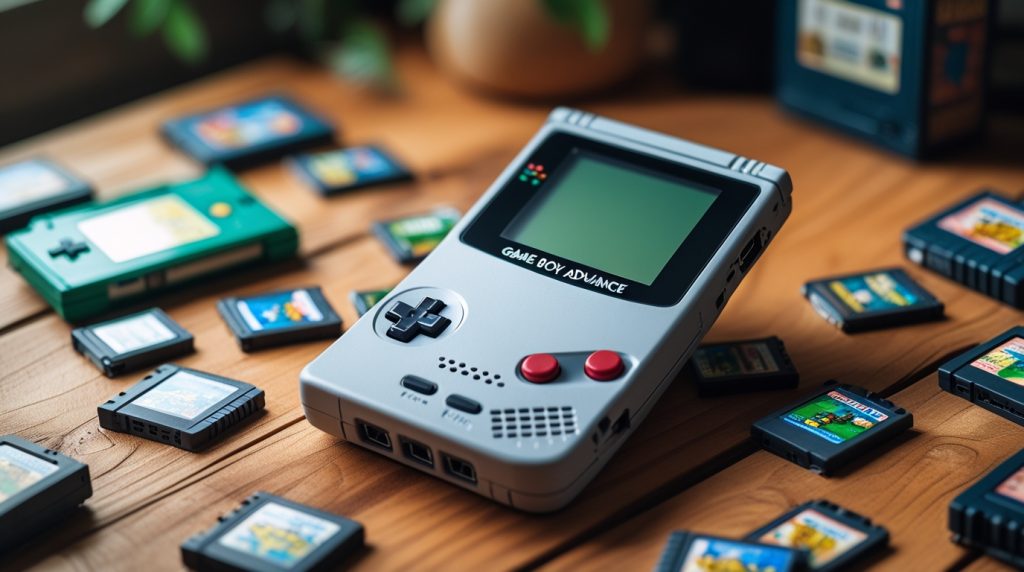
The early 2000s marked a turning point in gaming history, especially in the handheld market. Among the devices that reshaped portable gaming forever, the Game Boy Advance stands as one of the most influential. Developed and released by Nintendo, the Game Boy Advance (GBA) was more than just a successor to the Game Boy and Game Boy Color—it was a technological leap that brought console-like experiences into the palms of millions worldwide.
In this comprehensive guide, we’ll explore everything about the Game Boy Advance: its history, features, games, impact, evolution, and why it continues to hold a special place in the hearts of gamers even today.
The Origins of the Game Boy Advance
The Legacy Before GBA
Before the Game Boy Advance entered the scene, Nintendo had already established dominance in handheld gaming with the original Game Boy (1989) and the Game Boy Color (1998). These systems introduced iconic franchises like Pokémon, The Legend of Zelda, and Super Mario to portable platforms.
However, by the late 1990s, competitors like Sega Game Gear and Neo Geo Pocket were pushing for more powerful hardware. Nintendo needed to innovate—and the result was the Game Boy Advance.
Launch and Release
The Game Boy Advance was officially released in:
- Japan: March 21, 2001
- North America: June 11, 2001
- Europe: June 22, 2001
It quickly became a commercial success, selling millions of units within its first year.
Technical Specifications and Features
The Game Boy Advance introduced several improvements over its predecessors, making it one of the most advanced handheld consoles of its time.
Hardware Specifications
- CPU: 32-bit ARM7TDMI processor
- Clock Speed: 16.78 MHz
- Display: 2.9-inch reflective TFT LCD
- Resolution: 240 x 160 pixels
- Colors: Up to 32,768 colors
- Sound: Stereo (with headphones)
- Power: 2 AA batteries
Key Features
1. Enhanced Graphics
The GBA was capable of displaying vibrant colors and smooth animations, rivaling the Super Nintendo Entertainment System (SNES) in many ways.
2. Backward Compatibility
One of its standout features was compatibility with Game Boy and Game Boy Color games. This allowed players to enjoy a massive library of existing titles.
3. Multiplayer Connectivity
The link cable system enabled multiplayer gaming, allowing friends to connect multiple devices for cooperative or competitive gameplay.
4. Compact and Portable Design
With a sleek horizontal design, the GBA was comfortable to hold and easy to carry.
Evolution of the Game Boy Advance
Nintendo didn’t stop with the original model. The GBA line evolved over time with improved versions.
Game Boy Advance SP
Released in 2003, the GBA SP addressed some of the original model’s shortcomings.
Key improvements:
- Clamshell design
- Built-in rechargeable battery
- Front-lit (later backlit) screen
- Improved durability
The SP became incredibly popular and is often considered the definitive version of the GBA.
Game Boy Micro
Launched in 2005, the Game Boy Micro was a smaller, more stylish version of the GBA.
Features:
- Ultra-compact size
- Interchangeable faceplates
- Backlit screen
However, it lacked backward compatibility with older Game Boy titles, limiting its appeal.
Iconic Game Boy Advance Games
The GBA’s success was driven largely by its incredible game library. It featured a mix of original titles, remakes, and ports.
Pokémon Series
The GBA era saw the release of some of the most beloved Pokémon games:
- Pokémon Ruby & Sapphire
- Pokémon FireRed & LeafGreen
- Pokémon Emerald
These games introduced new regions, mechanics, and creatures, expanding the franchise significantly.
The Legend of Zelda
Fans enjoyed both original titles and remakes:
- The Legend of Zelda: The Minish Cap
- A Link to the Past (GBA version)
Super Mario Titles
Mario continued to dominate with:
- Super Mario Advance series
- Mario Kart: Super Circuit
- Mario & Luigi: Superstar Saga
Metroid Series
The GBA revived the Metroid franchise:
- Metroid Fusion
- Metroid: Zero Mission
Other Notable Titles
- Advance Wars
- Golden Sun
- Castlevania: Aria of Sorrow
- Final Fantasy Tactics Advance
Why the Game Boy Advance Was So Popular
1. Massive Game Library
The GBA had over 1,500 games, offering something for everyone—from RPGs and platformers to puzzle games and strategy titles.
2. Affordable Gaming
Compared to home consoles, the GBA was relatively affordable, making it accessible to a wide audience.
3. Portability
Gamers could enjoy high-quality gaming experiences anywhere—on buses, during travel, or at home.
4. Nostalgia and Brand Loyalty
Nintendo’s strong reputation and beloved franchises played a major role in the GBA’s success.
The Cultural Impact of the Game Boy Advance
The Game Boy Advance didn’t just sell well—it influenced gaming culture in profound ways.
Portable Multiplayer Gaming
Before smartphones and online gaming, the GBA’s link cable enabled social gaming experiences in real life.
Pokémon Trading and Battles
The GBA era was a golden age for Pokémon fans, with trading and battling becoming playground phenomena.
Speedrunning and Competitive Play
Many GBA games became staples in speedrunning communities, contributing to the rise of competitive gaming.
Comparison with Competitors
During its lifecycle, the GBA faced competition from:
- Sega Game Gear (earlier generation)
- Neo Geo Pocket Color
- Nokia N-Gage
Despite these competitors, the GBA dominated due to better game support, battery life, and brand recognition.
Accessories and Add-ons
Nintendo released various accessories to enhance the GBA experience:
- Link cables for multiplayer
- Wireless adapters
- E-Reader for scanning cards
- Headphone adapters (for GBA SP)
These accessories expanded gameplay possibilities and added unique features.
The Transition to Nintendo DS
In 2004, Nintendo released the Nintendo DS, marking the beginning of a new era.
Interestingly, the DS retained backward compatibility with GBA games, ensuring a smooth transition for users.
Eventually, the GBA line was discontinued, but its influence lived on.
Collecting Game Boy Advance Today
Rising Popularity
Retro gaming has surged in popularity, and the GBA is a favorite among collectors.
What to Look For
- Original hardware condition
- Boxed games
- Rare titles (e.g., limited editions)
Price Trends
Prices for GBA consoles and games have steadily increased, especially for rare items.
Emulation and Modern Alternatives
Today, gamers can experience GBA titles through:
- Emulators on PC and smartphones
- Virtual Console releases (historically)
- Retro handheld devices
While convenient, many enthusiasts still prefer original hardware for authenticity.
Pros and Cons of the Game Boy Advance
Pros
- Extensive game library
- Portable and durable
- Backward compatibility
- Iconic titles
Cons
- No backlight in original model
- Limited online capabilities
- Small screen by modern standards
Tips for New GBA Players
If you’re new to the Game Boy Advance, here are some tips:
- Start with classic games like Pokémon or Mario
- Consider buying a GBA SP for better screen visibility
- Explore lesser-known titles for hidden gems
- Invest in rechargeable batteries or chargers
The Enduring Legacy of the Game Boy Advance
The Game Boy Advance remains one of the most beloved handheld consoles in gaming history. Its combination of innovation, accessibility, and unforgettable games helped shape the future of portable gaming.
Even decades after its release, the GBA continues to inspire modern game design and remains a cherished part of gaming culture.
Conclusion
The Game Boy Advance was more than just a gaming device—it was a revolution in portable entertainment. With its powerful hardware, expansive game library, and lasting cultural impact, it set the standard for handheld gaming.
Whether you’re a longtime fan revisiting your childhood or a newcomer exploring retro gaming, the Game Boy Advance offers an experience that is timeless, engaging, and unforgettable.
Frequently Asked Questions (FAQs)
What is the Game Boy Advance?
The Game Boy Advance is a 32-bit handheld gaming console developed by Nintendo, released in 2001.
Can GBA play older Game Boy games?
Yes, it is backward compatible with Game Boy and Game Boy Color games.
Which is better: GBA or GBA SP?
The GBA SP is generally considered better due to its backlit screen and rechargeable battery.
Are GBA games still available?
Yes, through retro stores, online marketplaces, and emulation.
Why is the GBA still popular?
Its iconic games, nostalgic value, and portability make it a favorite among gamers and collectors.