1. Introduction
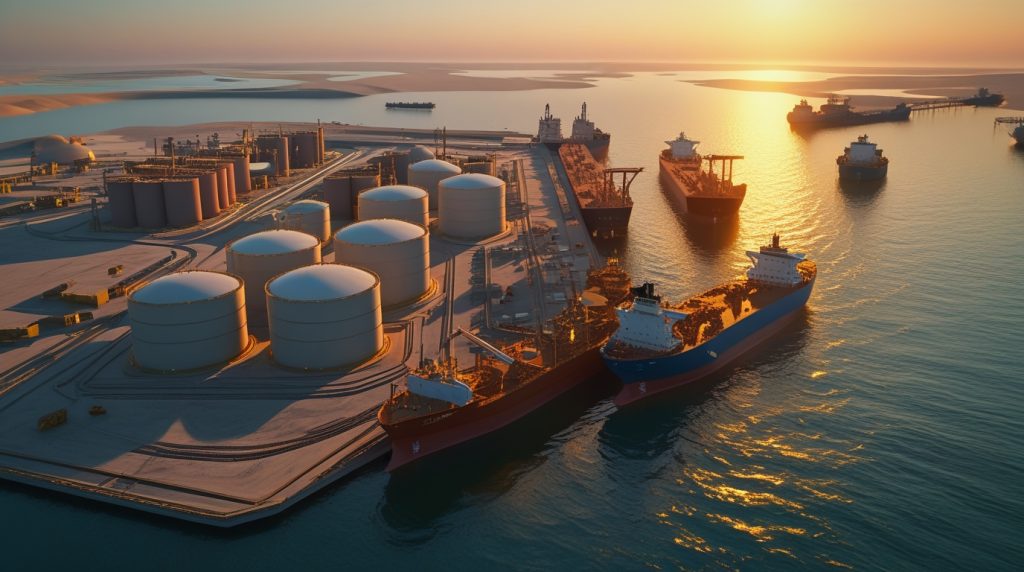
The Strait of Hormuz crisis represents one of the most volatile and strategically important geopolitical flashpoints in the modern world. Situated between Iran and Oman, the strait serves as the primary gateway for oil exports from the Persian Gulf to the rest of the world.
Every day, approximately 17–20 million barrels of oil pass through this narrow waterway, making it the single most important oil transit chokepoint globally. Any disruption—whether due to military conflict, political tension, or sabotage—can trigger ripple effects across the global economy.
This article dives deeply into the causes, consequences, and future outlook of the crisis, offering a comprehensive understanding for policymakers, students, investors, and general readers.
2. Geographic and Strategic Overview
Location and Structure
The Strait of Hormuz connects the Persian Gulf to the Gulf of Oman, which opens into the Arabian Sea.
At its narrowest point, the strait is only about 33 kilometers wide, with shipping lanes just a few kilometers across. This geographic constraint makes it highly vulnerable to blockades or attacks.
Strategic Importance
- Handles ~20% of global oil consumption
- Critical for liquefied natural gas (LNG) exports
- Serves as a lifeline for Gulf economies
Countries dependent on this route include:
- Saudi Arabia
- United Arab Emirates
- Kuwait
- Iraq
3. Historical Evolution of the Crisis
Pre-1979 Era
Before the Iranian Revolution, Iran was a close ally of Western powers, ensuring relative stability in the strait.
Post-Revolution Shift
The revolution transformed Iran into an anti-Western Islamic republic, fundamentally altering regional geopolitics.
The Tanker War
During the Iran-Iraq War, both sides attacked oil tankers, marking the first major modern disruption of shipping in the strait.
21st Century Escalations
Key developments include:
- Iran’s nuclear program
- Western sanctions
- Military buildup by global powers
4. Key Stakeholders and Power Dynamics
Iran
Iran views the strait as a strategic leverage point against global powers.
United States
The United States ensures freedom of navigation through its naval presence.
Gulf States
Countries like Saudi Arabia and United Arab Emirates rely heavily on oil exports.
Global Powers
- China (largest oil importer)
- India
- Japan
5. Root Causes of the Strait of Hormuz Crisis
Geopolitical Rivalries
The conflict between Iran and the United States is central.
Economic Sanctions
Sanctions have crippled Iran’s economy, increasing tensions.
Nuclear Disputes
The Joint Comprehensive Plan of Action initially reduced tensions but later collapsed.
Regional Proxy Wars
Iran and Saudi Arabia are engaged in indirect conflicts across the Middle East.
6. Military Strategy and Naval Power
US Naval Dominance
The United States Navy maintains advanced fleets in the region.
Iran’s Asymmetric Strategy
Iran uses:
- Fast attack boats
- Naval mines
- Anti-ship missiles
Risk of Escalation
Even small incidents can escalate into major conflicts.
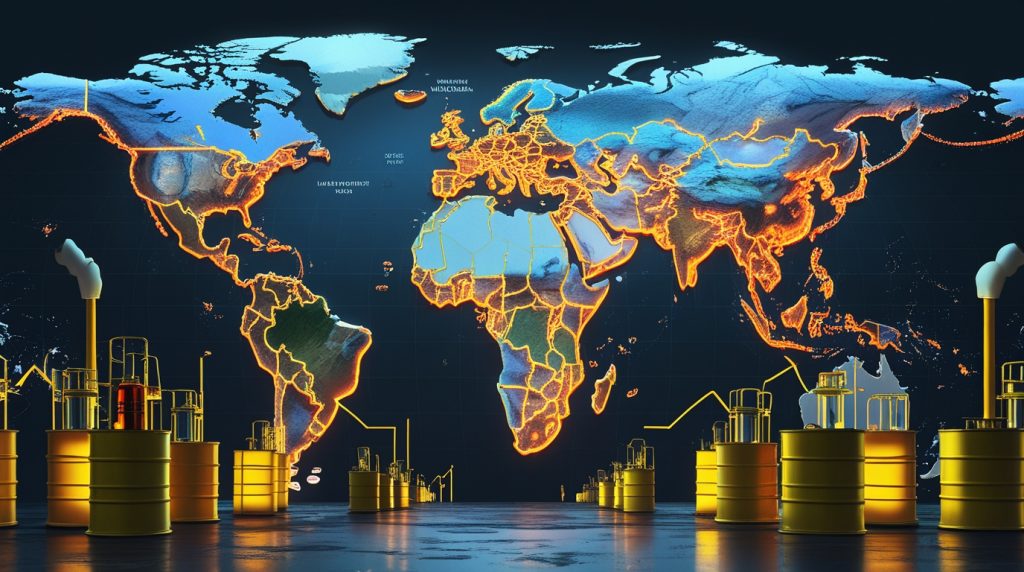
7. Oil Trade and Energy Security
Volume of Trade
Around 20% of global oil passes through the strait.
LNG Importance
Qatar exports significant LNG through this route.
Market Sensitivity
Oil markets react instantly to any tension in the region.
8. Economic Impact on the Global Market
Oil Price Volatility
Even rumors of disruption can increase prices by 10–20%.
Inflationary Pressure
Higher oil prices lead to:
- Increased transportation costs
- Rising food prices
Stock Market Reactions
Global markets often fall during heightened tensions.
9. Impact on South Asia and Bangladesh
Countries like Bangladesh are particularly vulnerable.
Key Effects
- Increased fuel import costs
- Pressure on foreign exchange reserves
- Inflation in daily commodities
10. Environmental and Ecological Risks
Oil Spills
A conflict could cause catastrophic oil spills.
Marine Ecosystem Damage
The Persian Gulf ecosystem is already fragile.
Long-Term Consequences
Environmental recovery could take decades.
11. Legal and Maritime Law Issues
International Law
The strait is governed by:
- United Nations maritime laws
Freedom of Navigation
Ensuring safe passage is a global priority.
12. Technology and Modern Warfare
Modern warfare in the strait includes:
- Drones
- Satellite surveillance
- Precision-guided missiles
13. Cyber Warfare and Hybrid Threats
Cyberattacks targeting:
- Oil infrastructure
- Shipping systems
can disrupt trade without physical conflict.
14. Global Political Implications
Power Shifts
The crisis influences global alliances.
Strategic Competition
It plays into US-China rivalry.
15. Role of International Organizations
United Nations
The United Nations mediates conflicts.
OPEC
The OPEC adjusts production levels.
16. Alternative Energy Routes
Pipelines
- Saudi East-West pipeline
- UAE Fujairah route
Limitations
These cannot fully replace the strait.
17. Future Scenarios and Forecasts
Scenario 1: Diplomatic Stability
Reduced tensions and stable oil markets.
Scenario 2: Limited Conflict
Short-term disruptions with global impact.
Scenario 3: Full-Scale War
Severe global economic crisis.
18. Risk Analysis and Strategic Insights
Short-Term Risks
- Shipping delays
- Oil price spikes
Long-Term Risks
- Global recession
- Energy crisis
19. Expert Opinions
Experts agree:
- Full closure is unlikely
- Partial disruptions are highly probable
20. Conclusion
The Strait of Hormuz crisis remains one of the most critical global challenges. Its impact extends far beyond the Middle East, affecting economies, politics, and everyday life worldwide.
Understanding this crisis is essential in a world increasingly dependent on energy security and geopolitical stability.
21. FAQs
What is the Strait of Hormuz crisis?
A geopolitical conflict affecting a major global oil route.
Why is it important?
It handles about 20% of global oil supply.
Can it be closed?
Yes, but it would cause global economic disruption.
Who controls it?
Iran and Oman share control under international law.