Introduction
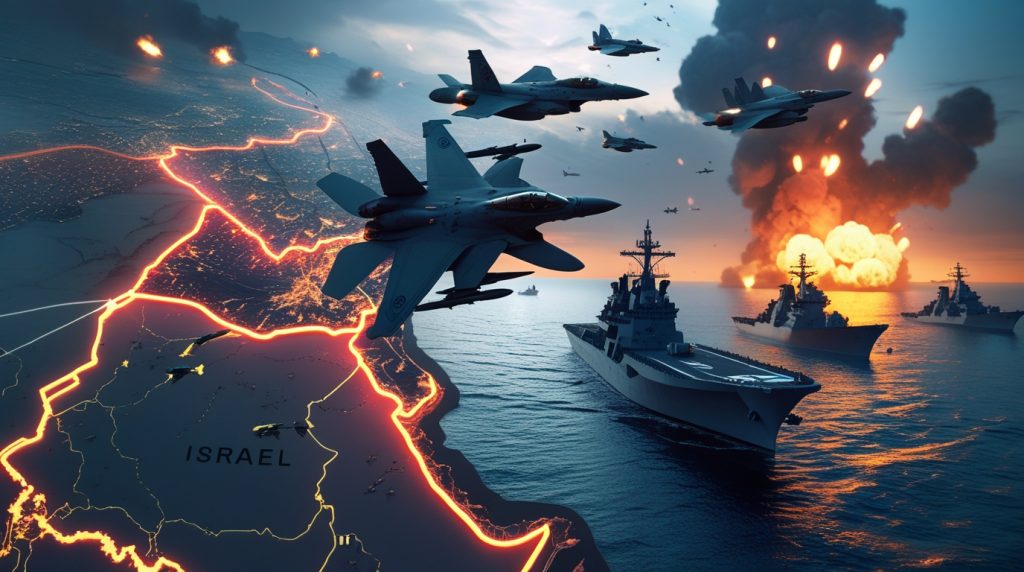
The global oil market is extremely sensitive to geopolitical tensions, particularly in the Middle East. Any military conflict involving Iran has the potential to disrupt global energy supplies, increase oil prices dramatically, and create economic uncertainty worldwide.
Iran occupies a critical position in the international oil market due to its vast reserves and strategic geographic location. Even the possibility of war involving Iran often sends shockwaves through energy markets, influencing oil prices and investor confidence.
If a major conflict involving Iran were to occur, it could affect not only the Middle Eastern region but also the global economy, transportation systems, and international trade.
This article explores in detail how a war involving Iran could impact the global oil market, influence energy prices, disrupt supply chains, and reshape long-term energy strategies around the world.
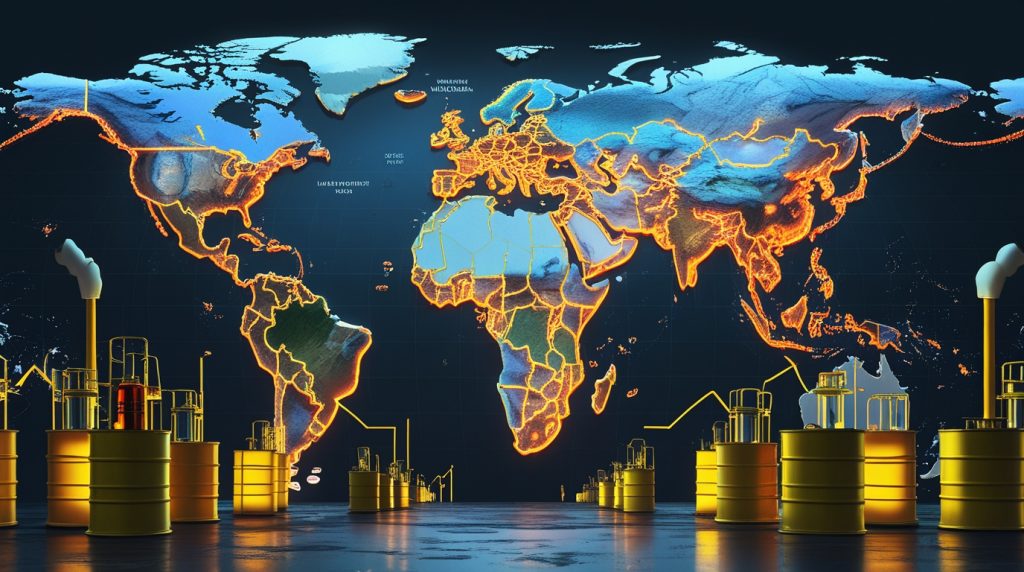
Iran’s Importance in the Global Oil Market
Iran is one of the most significant players in the global oil industry. The country possesses some of the largest proven oil reserves in the world and has historically been a major exporter of crude oil.
Despite economic sanctions and geopolitical tensions, Iran remains an important supplier of oil to several international markets.
Key facts about Iran’s oil sector include:
- Iran has the fourth-largest proven oil reserves globally
- The country also holds the second-largest natural gas reserves
- Iran is a member of OPEC (Organization of the Petroleum Exporting Countries)
- Its oil industry is a major contributor to national revenue
Iran’s production capacity has fluctuated due to sanctions and political restrictions. However, the country still maintains the ability to influence global oil supply dynamics.
Any military conflict involving Iran could disrupt its oil production or exports, which would likely lead to immediate reactions in global energy markets.
The Strategic Role of the Strait of Hormuz
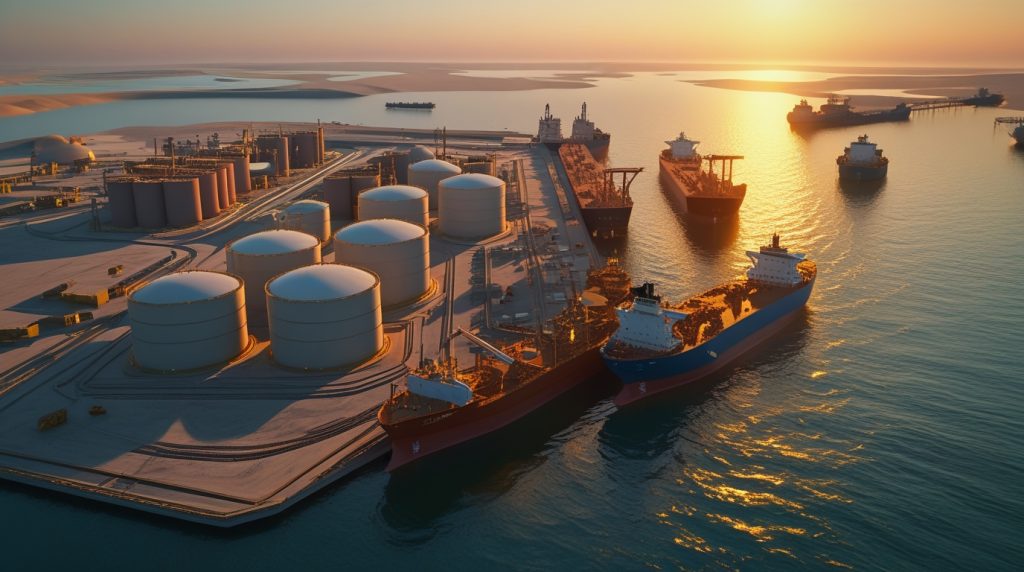
One of the most critical factors linking Iran to global oil markets is the Strait of Hormuz. This narrow maritime passage connects the Persian Gulf to the Arabian Sea and serves as one of the most important oil transit routes in the world.
Approximately 20% of the world’s oil supply passes through the Strait of Hormuz every day.
Several major oil-exporting countries rely on this route, including:
- Saudi Arabia
- Iraq
- Kuwait
- United Arab Emirates
- Qatar
If a war involving Iran escalates, the Strait of Hormuz could become a focal point of conflict.
Iran has previously warned that it could block or disrupt this vital waterway in response to military threats or economic sanctions.
Even a temporary disruption of this shipping route could cause a massive shock to global oil supply chains.
Immediate Impact on Global Oil Prices
Oil prices are highly sensitive to geopolitical developments. If a conflict involving Iran were to break out, oil markets would likely react instantly.
Traders closely monitor political developments in the Middle East because supply disruptions in this region can significantly affect global energy availability.
Possible short-term price reactions include:
- Rapid surge in crude oil prices
- Increased volatility in energy markets
- Speculative trading by investors
- Panic buying by governments
Historically, geopolitical tensions in the Middle East have caused oil prices to spike within hours or days of major announcements or military actions.
For example, during past conflicts in the region, oil prices often increased sharply due to concerns about supply disruptions.
Disruption of Global Oil Supply Chains
A war involving Iran could disrupt oil supply chains in several ways.
First, Iran’s own oil production facilities and export terminals could become targets during military operations. Damage to these facilities would immediately reduce the global oil supply.
Second, regional instability could impact neighboring oil-producing countries. Infrastructure such as pipelines, refineries, and ports could be affected by military operations or security threats.
Third, tanker traffic in the Persian Gulf could decline due to safety concerns.
Shipping companies may avoid high-risk zones, leading to delays and reduced oil transportation capacity.
All of these factors combined could create a significant supply shock in the global oil market.
Impact on Major Oil-Producing Countries
If a war involving Iran occurs, it could affect the production strategies of other major oil-producing nations.
Countries such as Saudi Arabia, Iraq, and the United Arab Emirates may attempt to increase production to compensate for potential supply shortages.
However, increasing production is not always easy. Oil production requires significant infrastructure, investment, and coordination among producers.
In addition, political considerations within OPEC could influence how much additional oil is released into the market.
Some producers might take advantage of higher oil prices rather than rapidly increasing output.
This could prolong the period of high oil prices in global markets.
Effects on Oil-Importing Countries
Countries that rely heavily on imported oil would likely experience significant economic pressure if oil prices rise sharply.
Major oil importers include:
- China
- India
- Japan
- South Korea
- European Union nations
For these economies, higher oil prices can result in:
- Increased transportation costs
- Higher electricity prices
- Rising manufacturing expenses
- Increased inflation
Consumers often feel the impact through higher fuel prices and increased costs for goods and services.
Governments may also face political pressure to reduce fuel taxes or provide subsidies to protect consumers.
Inflation and Global Economic Consequences
Energy prices play a central role in the global economy. Oil is used in transportation, manufacturing, agriculture, and countless other industries.
When oil prices increase sharply, inflation often follows.
Higher oil prices can lead to:
- Rising food prices
- Increased shipping costs
- Higher airline ticket prices
- More expensive consumer goods
For central banks, this creates a difficult situation. They may need to raise interest rates to control inflation, which could slow economic growth.
Developing countries are especially vulnerable to energy price shocks because they often have limited financial resources to manage rising fuel costs.
Impact on Global Financial Markets
A war involving Iran could also create volatility in financial markets.
Investors typically react to geopolitical risks by shifting capital into safer assets.
Possible market reactions include:
- Rising oil and energy stocks
- Falling airline and transportation stocks
- Increased demand for gold
- Stock market volatility
Energy companies may benefit from higher oil prices, while industries that rely heavily on fuel may face declining profits.
Financial uncertainty could also affect currency markets and international investment flows.
Strategic Oil Reserves and Emergency Measures
Many countries maintain strategic petroleum reserves to prepare for supply disruptions.
In the event of a major conflict involving Iran, governments may release oil from these reserves to stabilize markets.
Strategic reserves are designed to:
- Offset temporary supply shortages
- Prevent extreme price spikes
- Ensure national energy security
For example, large oil-consuming countries such as the United States, China, and members of the International Energy Agency maintain emergency reserves.
However, these reserves are limited and cannot fully replace long-term supply disruptions.
Impact on Shipping and Global Trade
Oil transportation relies heavily on international shipping routes. If conflict spreads across the Persian Gulf region, tanker traffic could face serious risks.
Possible disruptions include:
- Attacks on oil tankers
- Naval blockades
- Increased insurance costs
- Delays in shipping routes
Shipping companies may charge higher fees for transporting oil through high-risk areas.
These additional costs could further increase global oil prices.
Long-Term Effects on the Global Energy Industry
A prolonged conflict involving Iran could reshape the global energy landscape.
Countries may begin to reconsider their dependence on Middle Eastern oil and accelerate efforts to diversify energy sources.
Possible long-term changes include:
- Increased domestic oil production in other regions
- Expansion of alternative energy sources
- Development of new pipeline routes
- Investment in energy security infrastructure
Energy companies may also explore new oil fields in Africa, the Americas, and other regions to reduce reliance on Middle Eastern supply.
Acceleration of Renewable Energy Transition
High oil prices often encourage governments and companies to invest in renewable energy.
If a conflict involving Iran leads to sustained high oil prices, it could accelerate the transition toward cleaner energy sources.
Renewable technologies that could benefit include:
- Solar energy
- Wind power
- Electric vehicles
- Hydrogen fuel
Countries may increase investments in renewable infrastructure to reduce vulnerability to geopolitical energy shocks.
This shift could gradually reduce global dependence on fossil fuels.
Lessons from Historical Middle East Conflicts
History shows that geopolitical conflicts in the Middle East have repeatedly affected global oil markets.
Major examples include:
- The 1973 oil crisis
- The Iran-Iraq War
- The Gulf War
- The Iraq War
Each of these events caused significant volatility in oil prices.
However, global energy markets have also demonstrated resilience by adapting to new supply sources and technological advancements.
These historical experiences provide valuable lessons for policymakers and energy companies.
Could Oil Prices Reach Record Highs?
If a major war involving Iran disrupts oil supply for an extended period, oil prices could rise dramatically.
Some analysts suggest that oil prices could exceed previous records if:
- The Strait of Hormuz is blocked
- Major production facilities are damaged
- Regional conflicts spread across multiple countries
In such a scenario, global oil prices could experience one of the most significant spikes in modern history.
However, the exact impact would depend on the scale and duration of the conflict.
Conclusion
A potential war involving Iran could have profound consequences for the global oil market. Because Iran occupies a strategic position in the Middle East and near critical oil shipping routes, any military conflict could trigger major disruptions in global energy supply.
The most immediate impact would likely be a sharp increase in oil prices, greater market volatility, and increased economic pressure on oil-importing countries.
Beyond the short-term effects, such a conflict could also accelerate long-term changes in the global energy system, including greater investment in renewable energy and increased focus on energy security.
While predicting geopolitical developments is difficult, the global oil market will continue to closely monitor tensions involving Iran, given their potential to reshape the international energy landscape.
Frequently Asked Questions (FAQ)
How would a war with Iran affect global oil prices?
A war involving Iran could significantly increase oil prices due to supply disruptions, shipping risks, and market speculation.
Why is Iran important to global oil markets?
Iran has some of the largest oil reserves in the world and is located near the Strait of Hormuz, a major oil transportation route.
What percentage of global oil passes through the Strait of Hormuz?
About 20% of the world’s oil supply travels through the Strait of Hormuz.
Which countries would be most affected by rising oil prices?
Major oil-importing countries such as China, India, Japan, and European nations would face higher energy costs.
Could renewable energy benefit from rising oil prices?
Yes. Higher oil prices often encourage governments and companies to invest in renewable energy technologies.