FIFA World Cup and Its Impact on the Economy of Bangladesh
Every four years, the FIFA World Cup becomes much more than a football tournament. It transforms into a global celebration that captures the attention of billions of fans worldwide. Although Bangladesh does not participate in the FIFA World Cup, the tournament significantly influences the country’s economy, businesses, and consumer behavior.
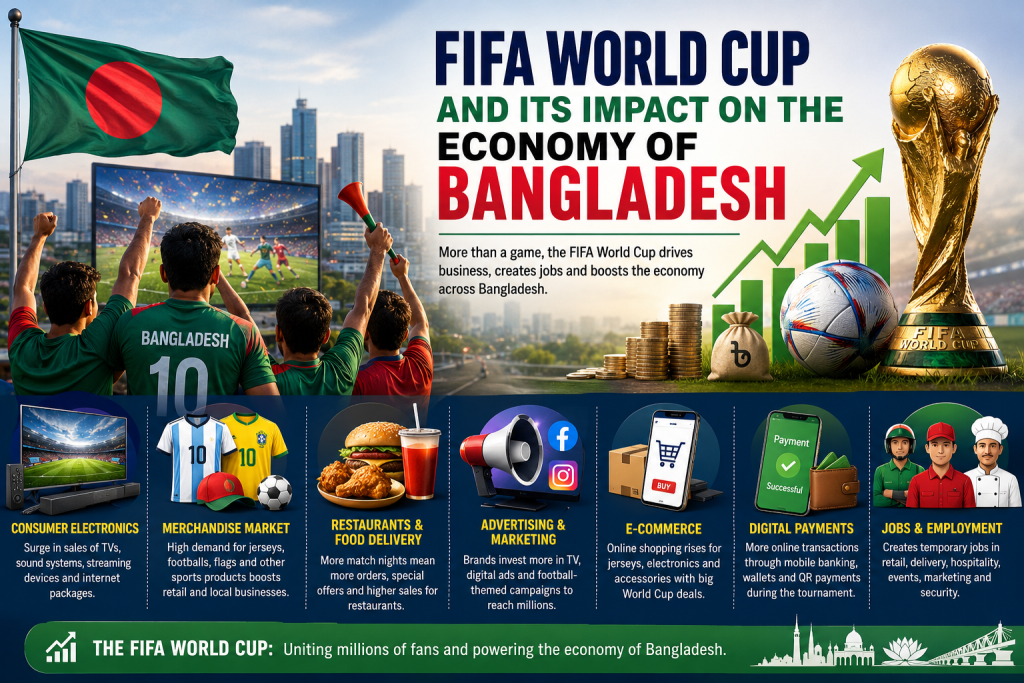
From increased television sales to booming food delivery services, jersey markets, online shopping, and digital advertising, the FIFA World Cup creates temporary economic opportunities across various industries in Bangladesh.
In this article, we’ll explore how the FIFA World Cup impacts Bangladesh’s economy and which sectors benefit the most.
Bangladesh’s Passion for the FIFA World Cup
Bangladesh is one of the world’s most football-loving nations despite not qualifying for the World Cup. Millions of supporters passionately follow teams such as:
- Argentina
- Brazil
- Germany
- France
- Portugal
- England
- Spain
Large screens are installed in public places, neighborhoods organize match-viewing events, and social media becomes flooded with football discussions.
This enormous fan engagement drives significant consumer spending.
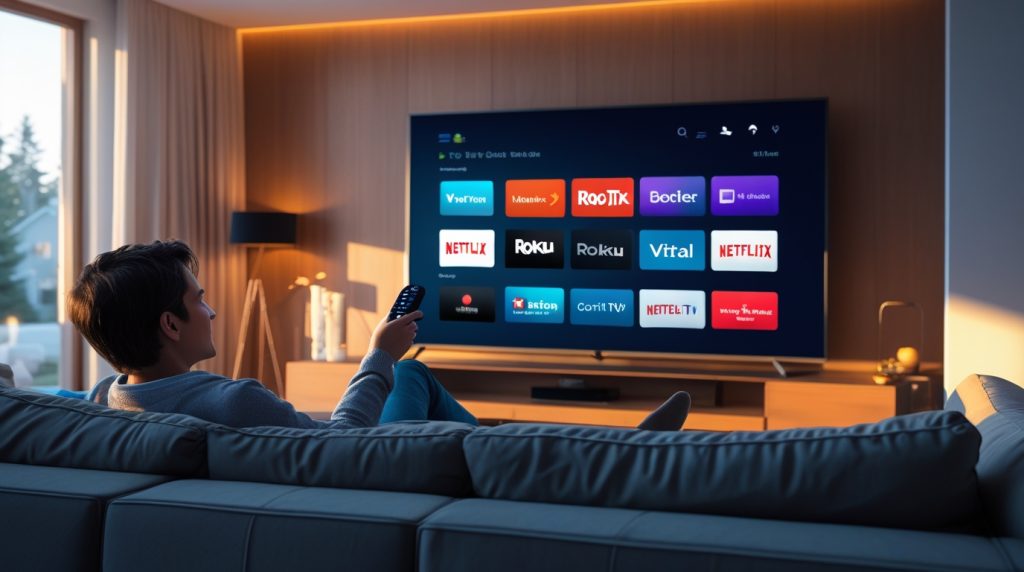
Increased Sales of Consumer Electronics
One of the biggest economic impacts comes from electronics retailers.
Before every World Cup, many households purchase:
- Smart TVs
- LED televisions
- Home theater systems
- Streaming devices
- Soundbars
- Internet packages
Retailers often introduce:
- Special World Cup discounts
- EMI offers
- Cashback promotions
- Bundle packages
This leads to a noticeable rise in electronics sales during the tournament.
Growth of the Jersey and Sports Merchandise Market
The World Cup creates a massive demand for football merchandise.
Popular products include:
- Argentina jerseys
- Brazil jerseys
- Portugal jerseys
- France jerseys
- Footballs
- Flags
- Caps
- Scarves
- Wristbands
Local garment manufacturers, importers, wholesalers, and online stores all benefit from this seasonal demand.
Small businesses and street vendors also earn additional income by selling football-related merchandise.
Restaurants and Food Delivery Experience Higher Demand
Football matches are often watched late at night in Bangladesh due to different time zones.
As a result, restaurants experience increased sales of:
- Pizza
- Burgers
- Fried chicken
- BBQ
- Soft drinks
- Coffee
- Snacks
Food delivery services also report higher order volumes during important matches, especially during knockout rounds and the final.
Many restaurants launch:
- World Cup combo meals
- Team-themed discounts
- Match-night offers
Advertising and Marketing Boom
The FIFA World Cup attracts one of the largest television audiences in the world.
Bangladeshi companies increase advertising investments across:
- Television
- YouTube
- News websites
- Sports blogs
Brands frequently launch football-themed campaigns to attract consumers.
Industries investing heavily include:
- Mobile operators
- Beverage companies
- Consumer electronics
- Banks
- E-commerce platforms
- Food brands
Boost for E-commerce
Online shopping platforms witness increased traffic during the tournament.
Popular World Cup purchases include:
- Team jerseys
- Football accessories
- Televisions
- Mobile phones
- Projectors
- Sports shoes
Flash sales and football-themed campaigns encourage consumers to shop online.
Digital Payment Growth
As online shopping increases, so does the use of:
- Mobile banking
- Digital wallets
- QR payments
- Online payment gateways
Many payment providers offer cashback and discounts linked to World Cup promotions, increasing digital transaction volumes.
Increased Internet Usage
Streaming football matches requires high-speed internet.
Internet Service Providers (ISPs) often experience increased demand for:
- Faster broadband packages
- Wi-Fi upgrades
- Higher data consumption
Mobile operators also see greater usage of:
- 4G
- 5G
- Streaming data packs
This results in higher revenue for telecommunications companies.
Employment Opportunities
Although temporary, the World Cup generates seasonal employment in several sectors.
Examples include:
- Retail sales staff
- Promotional workers
- Delivery riders
- Restaurant employees
- Event organizers
- Security personnel
- Printing businesses
These short-term jobs provide additional income for thousands of workers.
Social Media Content Economy
Content creators benefit significantly during the tournament.
Popular content includes:
- Match predictions
- Live reactions
- Tactical analysis
- Football memes
- YouTube videos
- Podcasts
- Facebook Live discussions
Successful creators earn through:
- Advertising revenue
- Sponsorships
- Affiliate marketing
- Brand partnerships
Impact on Tourism
While Bangladesh does not host World Cup matches, sports tourism still receives a modest boost.
Examples include:
- Sports cafes attracting visitors
- Hotel viewing events
- Community fan festivals
- Local tourism around major public screenings
Though relatively small compared to host nations, these activities contribute to local businesses.
Challenges During the FIFA World Cup
The World Cup also brings some economic challenges.
These include:
Reduced Workplace Productivity
Employees may stay awake late to watch matches, affecting productivity the next day.
Increased Household Spending
Many families spend extra money on televisions, jerseys, food, and entertainment, which can strain household budgets.
Import Dependence
A significant portion of football merchandise is imported, leading to foreign currency outflows.
Long-Term Economic Benefits
Although the World Cup lasts only about a month, it helps businesses learn valuable lessons about:
- Digital marketing
- Customer engagement
- Live commerce
- Promotional campaigns
- E-commerce growth
- Sports merchandising
Many companies use these experiences to improve future marketing strategies.
Opportunities for Bangladeshi Businesses
Businesses can maximize World Cup opportunities by:
- Launching football-themed campaigns
- Offering limited-time discounts
- Partnering with influencers
- Creating sports-related content
- Running social media contests
- Improving online shopping experiences
- Introducing loyalty rewards
These strategies can significantly increase brand visibility and customer engagement.
Conclusion
The FIFA World Cup is more than a sporting spectacle—it is also an important economic event for Bangladesh. The tournament stimulates spending across electronics, retail, food services, e-commerce, advertising, telecommunications, and digital payments. Although it may temporarily reduce productivity in some sectors, the overall impact is largely positive for businesses that capitalize on the excitement.
As football continues to unite millions of Bangladeshi fans, the FIFA World Cup will remain a powerful driver of seasonal economic activity and consumer engagement. Companies that prepare strategically can transform this global sporting event into a valuable business opportunity while delivering memorable experiences to customers across the country.