Huawei’s New Sub-Brand OSTA: Everything We Know About Its Upcoming Smartphones
Huawei is preparing to introduce a new smartphone sub-brand called OSTA, also known as Xingmang in Chinese, marking an important development in the company’s smartphone business. The announcement has attracted attention because Huawei has not introduced a major new smartphone sub-brand since selling its Honor business in 2020.
The new brand represents another step in Huawei’s effort to strengthen its smartphone portfolio, expand its consumer base, and compete in an increasingly challenging global technology market.
Huawei executive Richard Yu confirmed that OSTA would make its public debut on November 20, 2026. Although the company has not revealed all the details about its first products, early reports suggest that smartphones will play a central role in the brand’s identity.
There is also speculation about a new device called the OSTA O1 Pro, which could introduce a different approach to smartphone design.
But what exactly is OSTA? Why is Huawei launching another brand? What can consumers expect from its upcoming devices?
Let’s explore everything currently known about Huawei’s new sub-brand and what it could mean for the future of smartphones.
What Is Huawei’s New Sub-Brand OSTA?
OSTA is Huawei’s newly announced smartphone sub-brand, officially confirmed by Huawei executive Richard Yu in November 2026.
The brand is also known by its Chinese name, Xingmang, which is commonly translated as “Starlight.” Huawei has established a dedicated presence for OSTA on the Chinese social media platform Weibo, indicating that it intends to develop a distinct identity for the new product lineup.
Unlike an independent smartphone manufacturer, OSTA is being introduced as a Huawei sub-brand. This means it can potentially benefit from Huawei’s existing technology, research and development capabilities, software ecosystem, and supply-chain experience.
The announcement is particularly interesting because Huawei previously operated Honor as a separate smartphone brand. Following Honor’s sale in November 2020, Huawei concentrated its smartphone portfolio around established product families such as Mate, Pura, nova, and Enjoy.
OSTA could give the company another way to organize its products and reach customers with different expectations.
However, Huawei has not yet explained exactly how OSTA will be positioned alongside its existing smartphone series.
Huawei OSTA Launch Date: When Will the New Brand Debut?
<PRIVATE_PERSON> Huawei’s new sub-brand is scheduled to make its public debut on November 20, 2026.
Richard Yu announced the date through a social media post, confirming that the brand would be introduced during an upcoming Huawei product event.
The announcement has generated interest because the event may also provide the first official information about OSTA’s initial smartphone.
The date is important for several reasons:
- It marks Huawei’s return to a multi-brand smartphone strategy.
- It introduces a new identity within Huawei’s consumer electronics business.
- It could reveal the direction of Huawei’s next generation of AI-focused smartphones.
- It may provide details about the OSTA O1 Pro and other upcoming devices.
As of November 15, Huawei has confirmed the brand and debut date, but detailed product announcements remain pending.
Why Is Huawei Launching a New Smartphone Brand?
Launching a new smartphone brand requires significant investment, marketing, product development, and distribution planning. Huawei’s decision suggests that the company sees an opportunity to expand beyond its traditional smartphone lineup.
Several factors may explain this strategy.
1. Expanding Beyond Premium Smartphones
Huawei’s Mate and Pura smartphone families are generally associated with premium devices, advanced photography, innovative hardware, and flagship performance.
However, the smartphone market includes customers with very different budgets.
Some consumers want flagship-level experiences, while others prioritize affordability, battery life, everyday performance, and practical features.
A separate sub-brand could help Huawei address these different requirements without changing the identity of its established premium smartphone families.
If OSTA introduces competitively priced smartphones, it could attract customers who want Huawei technology without necessarily purchasing a flagship device.
However, Huawei has not confirmed that OSTA will exclusively target the budget or mid-range market.
2. Strengthening Huawei’s Smartphone Ecosystem
Huawei has invested heavily in developing its own hardware and software technologies.
Its smartphone ecosystem includes:
- Kirin mobile processors
- HarmonyOS
- Huawei’s AI technologies
- Camera and imaging technologies
- Smartwatches and wearable devices
- Wireless audio products
- Cross-device connectivity
A new sub-brand could help Huawei bring these technologies to a wider range of customers.
For example, a more affordable smartphone equipped with selected HarmonyOS features could introduce new users to Huawei’s broader ecosystem.
This strategy could also encourage customers to purchase additional Huawei products in the future.
3. Competing in the AI Smartphone Market
Artificial intelligence is becoming an increasingly important part of smartphone development.
Modern smartphones are moving beyond traditional voice assistants and basic photo-editing features. Manufacturers are exploring AI-powered productivity, intelligent search, contextual assistance, image generation, translation, and automated tasks.
Huawei has also been developing its AI ecosystem.
OSTA could become another platform for introducing these capabilities to different customer segments.
Reports suggest that AI may be an important part of the brand’s direction, although the company has not confirmed the complete AI feature set of its first smartphone.
4. Building a New Market Identity
A sub-brand allows a manufacturer to experiment with different designs, marketing strategies, and product categories.
Huawei could use OSTA to introduce products that have a different appearance or feature combination from its Mate, Pura, and nova devices.
This would give the company additional flexibility when responding to changing consumer preferences.
Huawei OSTA O1 Pro: What Do We Know About the First Smartphone?
One of the most interesting developments surrounding OSTA is the appearance of the OSTA O1 Pro name.
Richard Yu’s November announcement reportedly carried a device label identifying the phone used to publish his post as an OSTA O1 Pro.
This has strengthened speculation that the model could be among the brand’s first smartphones.
However, a device label does not confirm its complete specifications, availability, or commercial launch details.
An Unusual Wide-Screen Design
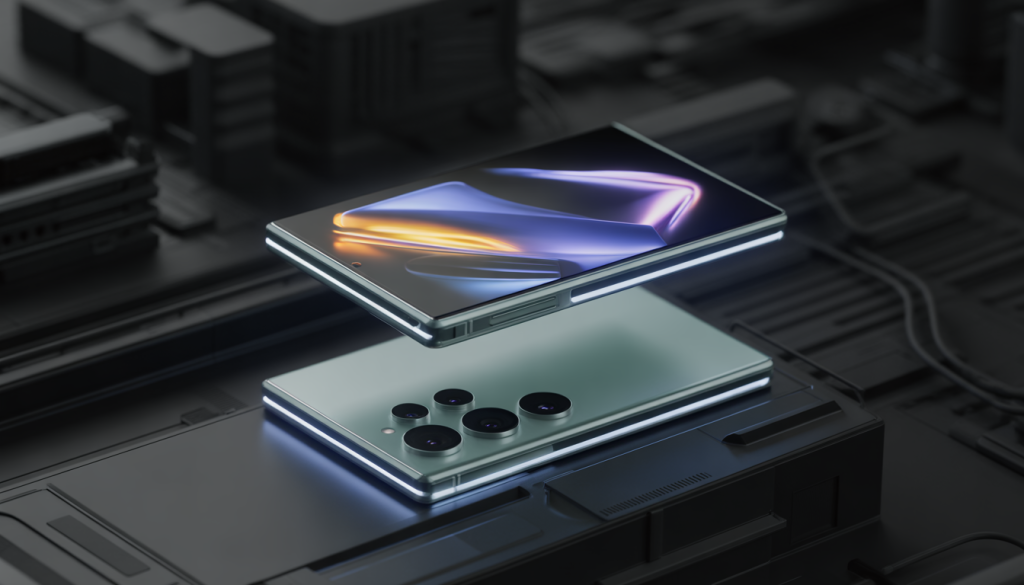
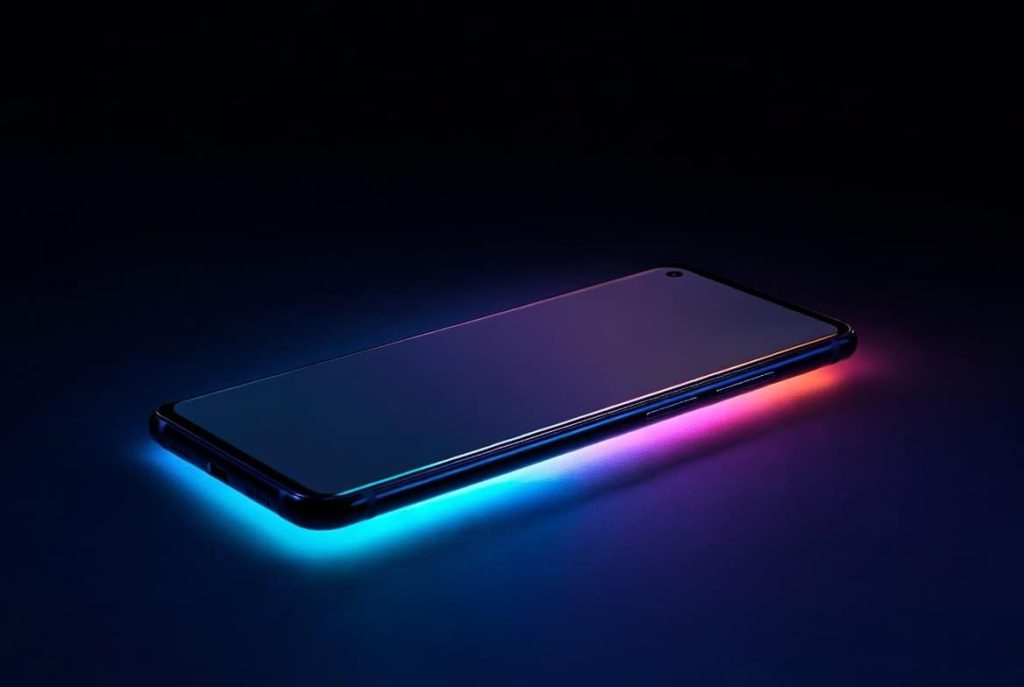
Early reports suggest that the OSTA O1 Pro could feature a wide-screen smartphone design.
This would potentially distinguish it from conventional smartphones with more traditional screen proportions.
The reported design has drawn comparisons with Huawei’s Pura X-style wide-screen concept.
Such a design could offer a different balance between display width, content viewing, reading, and everyday usability.
Nevertheless, the exact dimensions, aspect ratio, display technology, and physical design have not been officially confirmed.
Expected Memory and Storage Options
Some unofficial reports have mentioned the following possible configurations:
- 12GB RAM with 256GB storage
- 12GB RAM with 512GB storage
- 16GB RAM with 512GB storage
- 16GB RAM with 1TB storage
These configurations should be treated as leaks rather than confirmed specifications.
Huawei has not published an official OSTA O1 Pro specification sheet.
Possible Color Options
Leaks have also suggested black, white, and purple color options.
If accurate, these choices could give the O1 Pro a combination of traditional and more expressive styling.
The final colors and regional availability remain unconfirmed.
Expected Features of Huawei OSTA Smartphones
Although the first-generation OSTA products have not been fully introduced, several technologies could influence the new lineup.
The following sections explore areas where Huawei’s existing expertise could shape future OSTA devices. They are expectations, not confirmed specifications.
1. HarmonyOS Software Experience
HarmonyOS is one of Huawei’s most important software platforms.
It has become central to the company’s efforts to build an ecosystem that does not depend entirely on traditional Android-based services.
If OSTA smartphones use HarmonyOS, customers could benefit from features such as:
- Huawei ecosystem integration
- Device-to-device connectivity
- System-level AI capabilities
- Privacy and security controls
- Smart notifications
- Cross-device productivity features
The exact operating system version and software support policy for OSTA remain unknown.
International buyers should also pay attention to app availability, particularly if they depend on Google Mobile Services.
2. Kirin Processor Technology
Huawei’s Kirin processors have become an important part of its smartphone recovery strategy.
The company has worked to strengthen its semiconductor capabilities despite restrictions affecting its access to certain advanced technologies.
Some early reports suggest that an OSTA smartphone could use a Kirin 9-series processor.
However, Huawei has not officially confirmed the chipset for the O1 Pro.
Processor performance, gaming capabilities, connectivity, and power efficiency will be important factors when evaluating the first OSTA devices.
3. Artificial Intelligence Features
AI could become one of the defining elements of Huawei’s new sub-brand.
Potential areas of development include:
- Intelligent voice assistance
- AI-powered photo editing
- Real-time translation
- Smart document processing
- Context-aware recommendations
- Productivity automation
- Improved system search
Huawei’s Celia assistant and HarmonyOS capabilities could provide a foundation for these experiences.
However, the actual AI functions will depend on the hardware, software version, regional services, and supported applications.
4. Camera and Photography Improvements
Huawei has developed a strong reputation for smartphone photography.
Its premium devices have frequently emphasized image processing, computational photography, portrait modes, and advanced camera hardware.
OSTA could potentially benefit from this experience.
For everyday users, useful camera features might include:
- Improved night photography
- AI-assisted image enhancement
- Portrait photography
- Better video stabilization
- Intelligent scene recognition
- Enhanced image processing
Whether OSTA will use Huawei’s most advanced imaging technologies remains to be seen.
5. Battery Life and Charging
Battery performance is another important consideration for smartphone buyers.
A successful OSTA device would need to balance performance, display technology, software optimization, and battery capacity.
Customers will want to know about battery size, charging speeds, battery protection features, and real-world endurance.
Huawei has not yet revealed these details for the upcoming OSTA lineup.
OSTA vs Huawei Mate, Pura, and nova: What Could Be Different?
Huawei already operates several established smartphone families. Introducing OSTA creates an opportunity to develop another product identity.
Here is how the existing families and the new sub-brand could be compared.
| Brand | General identity |
|---|---|
| Huawei Mate | Premium productivity and flagship technology |
| Huawei Pura | Premium design and photography |
| Huawei nova | Style-focused smartphones and mainstream consumers |
| Huawei Enjoy | Everyday smartphone experiences |
| Huawei OSTA | New sub-brand; positioning not officially confirmed |
OSTA’s final market position will become clearer after Huawei introduces its first products.
It could focus on affordable devices, experimental designs, AI-powered smartphones, or a combination of these areas.
The company has not officially confirmed which direction it will choose.
Why OSTA Reminds People of Huawei’s Former Honor Brand
Huawei’s decision to introduce OSTA has naturally brought back memories of Honor.
Honor originally operated as a Huawei sub-brand and focused on smartphones that offered competitive specifications and accessible pricing.
It eventually developed its own identity and product portfolio.
In November 2020, Huawei sold Honor to a consortium of more than 30 agents and dealers to help the business operate independently amid US trade restrictions.
Since then, Honor has developed into a major smartphone manufacturer with products across multiple price segments.
OSTA is interesting because it represents Huawei’s first major smartphone sub-brand initiative since Honor’s separation.
However, it would be premature to describe OSTA as a direct replacement for Honor.
Huawei has not announced that the new brand will follow the same business model, pricing strategy, or international expansion plans.
Instead, OSTA should be viewed as a new opportunity for Huawei to experiment with its smartphone portfolio.
How Huawei OSTA Could Compete With Xiaomi, OPPO, vivo, and Samsung
The global smartphone market is highly competitive.
Manufacturers are constantly trying to attract consumers with better cameras, improved battery life, faster processors, attractive designs, and software innovations.
OSTA will need a clear identity to compete successfully.
Competition With Xiaomi
Xiaomi has built a large customer base through smartphones that combine competitive hardware and pricing.
If OSTA targets similar customers, it will need to offer compelling specifications and a strong overall experience.
Price competitiveness could be particularly important in markets where consumers carefully compare specifications before buying a phone.
Competition With OPPO and vivo
OPPO and vivo have invested heavily in camera technology, design, charging systems, and smartphone marketing.
OSTA could compete by emphasizing Huawei’s software ecosystem, imaging expertise, and distinctive hardware designs.
A recognizable design identity would help the new brand stand out.
Competition With Samsung
Samsung offers smartphones across entry-level, mid-range, and premium categories.
Its global distribution network, software support, and established brand recognition create a significant competitive advantage.
For OSTA to challenge established manufacturers internationally, Huawei would need more than interesting hardware. It would also need reliable software support, regional availability, competitive pricing, and accessible customer service.
Will Huawei OSTA Smartphones Be Available Globally?
This is one of the biggest questions surrounding the new sub-brand.
Huawei has not yet confirmed whether OSTA smartphones will be sold outside China.
The initial announcement is closely connected to Huawei’s Chinese product ecosystem and domestic launch activities.
International availability would depend on several factors, including:
- Huawei’s global distribution strategy
- Regional certification requirements
- Software localization
- Network compatibility
- App ecosystem support
- Local customer service
- Import and regulatory considerations
Potential buyers in Europe, Asia, the Middle East, Africa, and other regions should wait for official market-specific announcements.
A smartphone introduced in China is not automatically guaranteed to receive an international release.
What About Google Apps and Services?
International customers should pay particular attention to software compatibility.
Huawei’s smartphone ecosystem has evolved separately from Google’s traditional mobile services environment.
Depending on the operating system and regional version, customers may need to use Huawei’s app ecosystem and alternative services.
Before purchasing an OSTA device, buyers should check whether their essential applications are supported.
This is particularly important for people who rely on Google Maps, Gmail, Google Drive, Android Auto, banking applications, or specific work-related services.
What Could Huawei OSTA Mean for the Future of Smartphones?
The arrival of OSTA could have implications beyond a single smartphone launch.
It reflects a broader trend in the technology industry: manufacturers are increasingly developing their own hardware, software, AI systems, and connected-device ecosystems.
For Huawei, a new sub-brand could provide another way to distribute these technologies.
More Competition in the Smartphone Industry
Additional competition can encourage manufacturers to improve their products.
If OSTA successfully introduces attractive devices, competitors may need to respond with better designs, stronger AI features, or more competitive pricing.
Consumers could benefit from having more choices.
Greater Focus on AI Integration
AI is becoming a major selling point in smartphones.
Instead of treating AI as a collection of separate applications, manufacturers are trying to integrate intelligent features throughout the operating system.
OSTA could help Huawei explore new AI-driven smartphone experiences.
More Hardware Design Experiments
The reported wide-screen O1 Pro concept suggests that OSTA may have room to experiment with different smartphone designs.
Manufacturers have traditionally relied on similar rectangular smartphone designs, but changing screen proportions and form factors could create new user experiences.
If Huawei successfully develops a distinctive approach, OSTA could become an interesting brand to watch.
Should You Wait for a Huawei OSTA Smartphone?
Whether you should wait depends on your current smartphone needs.
The upcoming brand is worth following, but consumers should avoid making purchasing decisions based entirely on leaks.
Here are some practical recommendations.
Wait If You Enjoy New Smartphone Designs
If you are interested in unusual displays and alternative smartphone form factors, the OSTA O1 Pro could be worth watching.
Its reported wide-screen design may appeal to consumers looking for something different.
Wait If You Are Interested in Huawei’s AI Ecosystem
People interested in HarmonyOS and Huawei’s AI development may find the new brand particularly interesting.
Official announcements should reveal whether OSTA introduces new AI capabilities or uses existing Huawei technologies.
Do Not Wait If You Need a Phone Immediately
If your current smartphone is damaged or no longer meets your needs, there is little reason to postpone a purchase based only on an upcoming brand announcement.
You can compare currently available devices based on your budget, required applications, camera expectations, and software support needs.
Check Global Compatibility Before Buying
International buyers should be especially careful.
Before importing an OSTA smartphone, verify its supported network bands, software version, app compatibility, warranty coverage, and local service availability.
A device with impressive hardware may still be inconvenient if it does not support the applications and services you use every day.
Step-by-Step Guide: How to Evaluate Huawei OSTA Before Buying
Once Huawei publishes the official specifications, use the following checklist to decide whether an OSTA smartphone is worth purchasing.
Step 1: Confirm the official model name
Check Huawei’s official announcements and product pages to verify the exact model and its release status.
Step 2: Review the processor
Look at the chipset, CPU and GPU performance, connectivity, and power efficiency.
Step 3: Examine the display
Check the screen size, resolution, refresh rate, brightness, and aspect ratio.
For a wide-screen smartphone, consider whether the dimensions are comfortable for everyday use.
Step 4: Evaluate the camera system
Do not focus only on megapixel numbers. Check image quality, low-light performance, video recording, stabilization, and camera software.
Step 5: Check HarmonyOS and application compatibility
Confirm the operating system version, available applications, update policy, and access to essential services.
Step 6: Compare battery and charging
Check battery capacity, charging speed, charging standards, and independent battery tests.
Step 7: Compare the price with competitors
Consider alternatives from Xiaomi, Samsung, OPPO, vivo, and other manufacturers in the same price category.
Step 8: Verify warranty and regional availability
For international purchases, confirm whether the device has official local support or only an imported-device warranty.
Advantages and Potential Challenges of Huawei’s New Sub-Brand
OSTA has several potential advantages, but its success is not guaranteed.
Potential Advantages
- Access to Huawei’s technology and research capabilities.
- Opportunity to introduce new smartphone designs.
- Potential integration with HarmonyOS.
- Greater flexibility in targeting different customer segments.
- Possible expansion of Huawei’s AI-powered consumer products.
- Increased competition in the smartphone market.
Potential Challenges
- Strong competition from established smartphone manufacturers.
- Uncertainty about international availability.
- Application and Google service compatibility concerns.
- Need to establish a recognizable brand identity.
- Pricing and product-positioning challenges.
- Limited information about software support and long-term updates.
The way Huawei addresses these challenges will play a major role in determining OSTA’s future.
Frequently Asked Questions (FAQs)
1. What is Huawei’s new sub-brand called?
Huawei’s new smartphone sub-brand is called OSTA. It is also known as Xingmang in Chinese, a name commonly translated as Starlight.
2. When will Huawei launch OSTA?
Huawei has confirmed that OSTA will make its public debut on November 20, 2026.
3. What is the first Huawei OSTA smartphone?
The OSTA O1 Pro is a device associated with the new brand. Its name appeared in the device label of a social media post by Huawei executive Richard Yu. Its complete specifications and commercial launch details have not yet been officially announced.
4. Will OSTA replace Huawei’s Honor brand?
No such replacement has been announced. Honor became an independent company after Huawei sold the business in 2020. OSTA is a new Huawei sub-brand with its own positioning yet to be fully explained.
5. Will Huawei OSTA phones use HarmonyOS?
HarmonyOS is a likely platform to watch because it is central to Huawei’s smartphone ecosystem. However, the exact operating system version for OSTA’s first devices has not been officially confirmed.
6. Will Huawei OSTA smartphones support Google services?
There is currently no official confirmation regarding Google service support. Buyers should verify the software configuration and application compatibility of the specific regional model before purchasing.
7. Will Huawei OSTA phones be available outside China?
Huawei has not confirmed global availability. International release plans, pricing, and regional distribution remain unknown.
8. What processor will the OSTA O1 Pro use?
Some reports suggest a Kirin 9-series processor, but Huawei has not officially confirmed the chipset.
9. Will OSTA focus on budget smartphones?
Its exact market positioning has not been officially disclosed. The brand could help Huawei reach additional customer segments, but it is too early to conclude that it will focus exclusively on affordable devices.
10. Is Huawei OSTA worth waiting for?
It is worth following if you are interested in Huawei’s technology, AI development, and new smartphone designs. However, it is sensible to wait for official specifications, independent reviews, pricing, and software compatibility information before making a purchasing decision.
Conclusion: Can OSTA Become Huawei’s Next Big Smartphone Brand?
Huawei’s new sub-brand OSTA represents an interesting development in the company’s smartphone strategy.
After separating from Honor in 2020, Huawei has concentrated on strengthening its own hardware, software, and connected-device ecosystem. Introducing OSTA gives the company another opportunity to expand its smartphone portfolio and explore new product directions.
The upcoming OSTA O1 Pro has already attracted attention because of its reported wide-screen design and potential hardware configurations. AI integration, HarmonyOS, and Huawei’s Kirin technology could also become important parts of the brand’s future.
Nevertheless, several questions remain unanswered. Pricing, official specifications, market positioning, global availability, and software compatibility will determine whether OSTA can compete effectively with established smartphone brands.
The November 20, 2026 announcement should provide a clearer picture of Huawei’s ambitions.
For now, OSTA is one of the most interesting new developments in Huawei’s smartphone business, and global technology enthusiasts have good reason to keep an eye on it.
The real test will not be the launch announcement. It will be whether Huawei can turn OSTA into a recognizable, competitive, and genuinely useful smartphone brand.