Stopping by Woods on a Snowy Evening
– Robert Frost
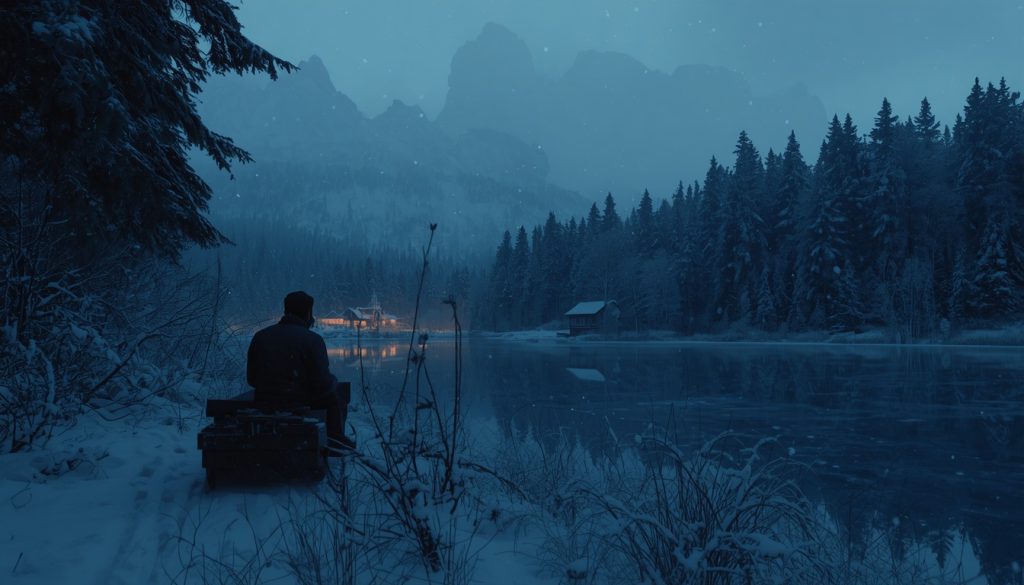
Whose woods these are I think I know.
His house is in the village though;
He will not see me stopping here
To watch his woods fill up with snow.
My little horse must think it queer
To stop without a farmhouse near
Between the woods and frozen lake
The darkest evening of the year.
He gives his harness bells a shake
To ask if there is some mistake.
The only other sound’s the sweep
Of easy wind and downy flake.
The woods are lovely, dark and deep.
But I have promises to keep,
And miles to go before I sleep,
And miles to go before I sleep.
Stopping by Woods on a Snowy Evening
Robert Frost
1. Whose woods these are I think I know.
→ এই অরণ্যটি কার, তা আমি মনে হয় জানি।
2. His house is in the village though;
→ তবে তার বাড়িটি গ্রামের মধ্যে।
3. He will not see me stopping here
→ সে আমাকে এখানে থেমে থাকতে দেখতে পাবে না,
4. To watch his woods fill up with snow.
→ তার অরণ্যটি তুষারে ভরে উঠতে দেখার জন্য।
5. My little horse must think it queer
→ আমার ছোট ঘোড়াটি নিশ্চয়ই এটিকে অদ্ভুত মনে করছে,
6. To stop without a farmhouse near
→ কাছাকাছি কোনো খামারবাড়ি না থাকা সত্ত্বেও এখানে থেমে যাওয়াকে।
7. Between the woods and frozen lake
→ অরণ্য ও বরফে জমে যাওয়া হ্রদের মাঝখানে,
8. The darkest evening of the year.
→ বছরের সবচেয়ে অন্ধকার সন্ধ্যায়।
9. He gives his harness bells a shake
→ সে তার গলার ঘণ্টাগুলো ঝাঁকিয়ে দেয়,
10. To ask if there is some mistake.
→ যেন জিজ্ঞাসা করে, কোনো ভুল হয়েছে কি না।
11. The only other sound’s the sweep
→ আর অন্য যে শব্দটি শোনা যায়, তা হলো
12. Of easy wind and downy flake.
→ মৃদু বাতাসের সোঁ সোঁ শব্দ এবং তুলোর মতো নরম তুষারপাতের শব্দ।
13. The woods are lovely, dark and deep.
→ অরণ্যটি সুন্দর, অন্ধকার ও গভীর।
14. But I have promises to keep,
→ কিন্তু আমার কিছু প্রতিশ্রুতি রক্ষা করার আছে,
15. And miles to go before I sleep,
→ ঘুমানোর আগে আমাকে আরও বহু মাইল পথ যেতে হবে,
16. And miles to go before I sleep.
→ ঘুমানোর আগে আমাকে আরও বহু মাইল পথ যেতে হবে।
Summary of the Poem
Stopping by Woods on a Snowy Evening by Robert Frost
English Summary:
The poet stops his horse near a beautiful snowy wood on a winter evening. He quietly watches the woods filling up with snow and enjoys the peaceful and mysterious atmosphere. His horse seems surprised because there is no farmhouse nearby. The only sounds are the wind and the falling snowflakes. Although the woods are lovely, dark, and deep, the poet remembers that he has responsibilities and promises to fulfill. Therefore, he cannot stay there and must continue his journey. The poem highlights the beauty of nature, the desire for rest, and the importance of duty in life.
বাংলা সারাংশ:
কবি শীতের এক তুষারময় সন্ধ্যায় একটি বনের পাশে থেমে যান। তিনি নীরবে তুষারে আচ্ছাদিত বনভূমির সৌন্দর্য উপভোগ করেন। তার ঘোড়াটি অবাক হয়, কারণ আশেপাশে কোনো বাড়িঘর নেই। চারদিকে শুধু মৃদু বাতাসের শব্দ এবং তুষারপাতের শব্দ শোনা যায়। বনের শান্ত, সুন্দর ও রহস্যময় পরিবেশ কবিকে মুগ্ধ করে। কিন্তু তিনি মনে করেন যে তার কিছু প্রতিশ্রুতি ও দায়িত্ব রয়েছে, যা তাকে অবশ্যই পালন করতে হবে। তাই তিনি সেখানে না থেকে নিজের যাত্রা অব্যাহত রাখেন। কবিতাটি প্রকৃতির সৌন্দর্য, বিশ্রামের আকাঙ্ক্ষা এবং জীবনের দায়িত্ব পালনের গুরুত্বকে তুলে ধরেছে।
Theme of the Poem
English:
The central theme of “Stopping by Woods on a Snowy Evening” is the conflict between the attraction of nature and the responsibilities of life. The poet is deeply fascinated by the quiet, beautiful, and mysterious woods covered with snow. He wishes to stay and enjoy the peaceful scene, but he remembers that he has promises to fulfill and duties to perform. Therefore, he continues his journey. The poem teaches us that although rest and pleasure are attractive, we must not forget our responsibilities and commitments.
বাংলা:
“Stopping by Woods on a Snowy Evening” কবিতার মূল ভাববস্তু হলো প্রকৃতির আকর্ষণ ও জীবনের দায়িত্বের মধ্যে দ্বন্দ্ব। কবি তুষারে ঢাকা শান্ত, সুন্দর ও রহস্যময় বনভূমির সৌন্দর্যে মুগ্ধ হন এবং সেখানে কিছুক্ষণ থাকতে চান। কিন্তু তিনি মনে করেন যে তাঁর কিছু প্রতিশ্রুতি ও কর্তব্য রয়েছে, যা তাঁকে পালন করতে হবে। তাই তিনি যাত্রা অব্যাহত রাখেন। কবিতাটি আমাদের শেখায় যে বিশ্রাম ও আনন্দ যতই আকর্ষণীয় হোক না কেন, আমাদের দায়িত্ব ও কর্তব্যের কথা কখনো ভুলে যাওয়া উচিত নয়।
Explanation of each stanza briefly
Stanza 1
The poet stops near a snowy wood and thinks he knows its owner. The owner lives in the village and cannot see him. He quietly watches the snow falling and covering the woods.
বাংলা:
কবি তুষারে ঢাকা একটি বনের পাশে থামেন। তিনি মনে করেন, বনের মালিককে তিনি চেনেন। মালিক গ্রামে থাকেন, তাই কবিকে সেখানে থেমে থাকতে দেখতে পারবেন না। কবি শান্তভাবে তুষারে ভরে ওঠা বন উপভোগ করেন।
Stanza 2
The poet’s little horse feels surprised because they have stopped in a lonely place where there is no farmhouse. They are standing between the woods and a frozen lake on the darkest evening of the year.
বাংলা:
কবির ছোট ঘোড়াটি অবাক হয়, কারণ তারা এমন একটি নির্জন স্থানে থেমেছে যেখানে কোনো বাড়িঘর নেই। তারা বন ও বরফে জমে যাওয়া হ্রদের মাঝখানে বছরের সবচেয়ে অন্ধকার সন্ধ্যায় দাঁড়িয়ে আছে।
Stanza 3
The horse shakes its harness bells as if asking whether there is a mistake. Apart from the bells, the only sounds are the gentle wind and the soft falling snowflakes.
বাংলা:
ঘোড়াটি যেন ভুল হয়েছে কি না জানতে তার গলার ঘণ্টা ঝাঁকায়। ঘণ্টার শব্দ ছাড়া শুধু মৃদু বাতাসের শব্দ এবং নরম তুষারকণার ঝরে পড়ার শব্দ শোনা যায়।
Stanza 4
The poet finds the woods beautiful, dark, and deep. He would like to stay longer, but he remembers his promises and responsibilities. So, he continues his journey with many miles still left to travel before he can rest.
বাংলা:
কবি বনটিকে সুন্দর, অন্ধকার ও গভীর বলে মনে করেন। তিনি সেখানে আরও কিছুক্ষণ থাকতে চান, কিন্তু তাঁর প্রতিশ্রুতি ও কর্তব্যের কথা মনে পড়ে। তাই তিনি বিশ্রামের আগে অনেক পথ বাকি থাকা সত্ত্বেও যাত্রা অব্যাহত রাখেন।
Answer the following questions (Textbook questions)
1. Where do you think the poet is going? Why is he going there?
I think the poet is going to a village or his home. He is going there because he has some promises and duties to fulfill.
2. Why does the speaker stop by the woods on a snowy evening?
The speaker stops by the woods to enjoy their beauty and watch the snow falling quietly.
3. What does the speaker mean when he says, “The woods are lovely, dark and deep”?
He means that the woods are very beautiful, peaceful, and mysterious. They attract him and make him want to stay longer.
4. Guess what promise the poet had to keep before he would sleep. Why did the poet stop by the woods though it was dark and he was alone?
The poet probably had to complete his responsibilities and reach his destination before resting. He stopped by the woods because he was attracted by their calm and beautiful snowy scene.
5. Is the poem’s ending hopeful or resigned? Discuss your interpretation.
The ending is hopeful. Although the poet wants to stay in the woods, he chooses to continue his journey and fulfill his duties. This shows determination and responsibility.
6. Write an imaginary dialogue between the poet and his horse.
Poet: What a beautiful snowy wood! Let us stop here for a while.
Horse: Why are we stopping here? There is no farmhouse nearby.
Poet: I want to enjoy the quiet beauty of the woods.
Horse: It is getting dark. Shouldn’t we continue our journey?
Poet: Yes, you are right. The woods are lovely, but I have promises to keep.
Horse: Then let us move on.
Poet: Indeed. We still have many miles to go before we sleep.
Horse: I am ready. Let’s continue our journey.
Most important Questions
a) Why and when did the poet stop by the woods in the poem Stopping by Woods on a Snowy Evening?
Answer: The poet stopped by the woods on a snowy winter evening. He stopped there to enjoy the beauty and silence of the snow-covered woods.
(b) What do the dark and deep woods symbolize in the poem Stopping by Woods on a Snowy Evening?
Answer: The dark and deep woods symbolize beauty, peace, mystery, and temptation. They attract the poet and make him want to stay longer.
(c) How does the horse of the poet react to his stopping by the woods in the poem Stopping by Woods on a Snowy Evening?
Answer: The horse finds the stop unusual because there is no farmhouse nearby. It shakes its harness bells as if asking whether there is a mistake.
(d) The woods are lovely, dark and deep. What does the poet want to mean by this expression?
Answer: By this expression, the poet means that the woods are beautiful, peaceful, and mysterious. The natural beauty of the woods strongly attracts him.
(e) Where does the poet stop in the poem Stopping by Woods on a Snowy Evening? What was the speciality of the place?
Answer: The poet stops between the woods and a frozen lake. The place is special because it is quiet, lonely, and covered with snow.
(f) There is a great telepathy between the poet and the horse. How will you prove it in the light of the poem Stopping by Woods on a Snowy Evening?
Answer: The horse seems to understand the poet’s unusual behavior and reacts by shaking its harness bells. This shows a close understanding between the poet and his horse.
(g) “But I have promises to keep, / And miles to go before I sleep.” Explain these two lines with reference to the metaphors used in them.
Answer: In these lines, “promises” symbolize duties and responsibilities, while “sleep” symbolizes rest or death. The poet means that he must fulfill many obligations before he can finally rest.
(h) Why did the horse shake his harness bells in the poem Stopping by Woods on a Snowy Evening?
Answer: The horse shook his harness bells because he thought stopping there was unusual. It seemed to ask the poet whether there was some mistake.
(i) Do you find any universal traits in the poem Stopping by Woods on a Snowy Evening? If yes, show it in brief.
Answer: Yes, the poem contains universal traits such as love of nature, sense of duty, and responsibility. These are qualities shared by people everywhere.
(j) What is the central theme of the poem Stopping by Woods on a Snowy Evening?
Answer: The central theme of the poem is the conflict between the beauty of nature and human responsibilities. The poem teaches us to fulfill our duties even when we are attracted by pleasure and comfort.
k) What is the significance of ‘sleep’ in the poem ‘Stopping by Woods on a Snowy Evening’?
Answer: In the poem, “sleep” means rest after completing one’s duties. It may also symbolize death or eternal rest.
(l) What role does nature play in ‘Stopping by Woods on a Snowy Evening’?
Answer: Nature creates a peaceful and beautiful atmosphere in the poem. The snowy woods attract the poet and make him stop for a while.
(m) What does the horse symbolize in ‘Stopping by Woods on a Snowy Evening’?
Answer: The horse symbolizes practical thinking and responsibility. It reminds the poet to continue his journey instead of staying in the woods.
(n) Why does the poet repeat the line “And miles to go before I sleep”?
Answer: The poet repeats the line to emphasize his duties and responsibilities. It shows that he must continue his journey before taking rest.
(o) What is the symbolic meaning of “Miles to go before I sleep”?
Answer: The line symbolizes the long journey of life and the duties yet to be fulfilled. It suggests that much work remains before final rest.
(p) Why can’t the poet enjoy the natural scenery in the woods?
Answer: The poet cannot stay long in the woods because he has promises to keep. His responsibilities force him to continue his journey.
(q) What is the central conflict in “Stopping by Woods on a Snowy Evening”?
Answer: The central conflict is between the attraction of nature and the poet’s responsibilities. He loves the woods but must continue his journey.
(r) How does “Stopping by Woods on a Snowy Evening” explore the theme of mortality?
Answer: The poem hints at mortality through the idea of “sleep” and the dark, deep woods. These symbols suggest the end of life and eternal rest.
(s) Why does the poet admire the woods in “Stopping by Woods on a Snowy Evening”?
Answer: The poet admires the woods because they are lovely, quiet, and peaceful. Their beauty deeply attracts him.
(t) What are the promises hinted in the poem “Stopping by Woods on a Snowy Evening”?
Answer: The promises refer to the poet’s duties, responsibilities, and commitments. He must fulfill them before resting.
(u) Why does the poet describe the evening as “the darkest of the year”?
Answer: The poet describes it as the darkest evening to create a mysterious and lonely atmosphere. It also highlights the beauty of the snowy woods.
(v) What do ‘promises’ and ‘sleep’ mean in “Stopping by Woods on a Snowy Evening”?
Answer: “Promises” mean duties and responsibilities, while “sleep” means rest or death. Together they suggest the poet’s journey through life.
(w) In “Stopping by Woods on a Snowy Evening” the poet suffers from a mental conflict between his obligations and his desire for peace and tranquility. How?
Answer: The poet wants to stay and enjoy the peaceful woods. However, he remembers his responsibilities and continues his journey, creating a mental conflict.
(x) What does the sound of harness bells represent in “Stopping by Woods on a Snowy Evening”?
Answer: The sound of harness bells represents reality and responsibility. It reminds the poet that he should continue his journey.
(y) What role does nature play in the poem “Stopping by Woods on a Snowy Evening”?
Answer: Nature provides beauty, peace, and comfort to the poet. It attracts him but cannot prevent him from fulfilling his duties.
(z) Who wrote the poem “Stopping by Woods on a Snowy Evening”?
Answer: The poem was written by Robert Frost. He is one of the most famous American poets.
(za) Why did the poet pause his journey for a while?
Answer: The poet paused his journey to enjoy the beauty of the snow-covered woods. He wanted to watch the woods filling up with snow.
(z2) How does the poet describe the woods in the last stanza?
Answer: In the last stanza, the poet describes the woods as “lovely, dark and deep.” These words show their beauty and mystery.
(z3) What do the woods symbolize in the poem?
Answer: The woods symbolize beauty, peace, temptation, and rest. They attract the poet away from his duties for a moment.
(z4) Where do you think the poet is going? Why is he going there?
Answer: The poet is probably going home or to another destination. He is going there because he has promises and responsibilities to fulfill.
More Questions for practice
1. Where do you think the poet is going? Why is he going there?
Answer: I think the poet is going to his home or another destination. He is going there because he has some promises and responsibilities to fulfill.
2. Why does the speaker stop by the woods on a snowy evening?
Answer: The speaker stops by the woods to enjoy their beauty. He wants to watch the snow falling quietly.
3. What does the speaker mean when he says, “The woods are lovely, dark and deep”?
Answer: The speaker means that the woods are very beautiful, peaceful, and mysterious. They attract him strongly.
4. Why did the poet stop by the woods though it was dark and he was alone?
Answer: The poet stopped by the woods because he was fascinated by their beauty and silence. He wanted to enjoy the peaceful scene for a while.
5. Is the poem’s ending hopeful or resigned? Discuss your interpretation.
Answer: The ending is hopeful because the poet decides to continue his journey. He remembers his duties and responsibilities and moves forward.
6. Who accompanies the poet on his journey?
Answer: A little horse accompanies the poet on his journey. It stays with him throughout the snowy evening.
7. Who owns the woods?
Answer: The woods belong to a man who lives in the village. The poet thinks he knows the owner.
8. Where is the owner’s house?
Answer: The owner’s house is in the village. It is not close to the woods.
9. Why can’t the owner see the poet?
Answer: The owner cannot see the poet because he lives in the village. Therefore, he does not know that the poet has stopped there.
10. What is filling up the woods?
Answer: Snow is filling up the woods. The falling snow makes the woods look beautiful.
11. What season is described in the poem?
Answer: The poem describes the winter season. The snowfall and frozen lake show that it is winter.
12. What time of day is it?
Answer: It is evening. The poet mentions the darkest evening of the year.
13. How does the poet know the owner?
Answer: The poet thinks that he knows the owner of the woods. However, he is not completely certain.
14. Why does the horse find the stop strange?
Answer: The horse finds the stop strange because there is no farmhouse nearby. It is an unusual place to stop.
15. Where does the poet stop?
Answer: The poet stops between the woods and a frozen lake. It is a quiet and lonely place.
16. What is the lake like?
Answer: The lake is frozen because of the cold winter weather. It adds to the wintry atmosphere.
17. What kind of evening is mentioned?
Answer: It is the darkest evening of the year. The surroundings are calm and silent.
18. What does the horse do?
Answer: The horse shakes its harness bells. It seems surprised by the poet’s action.
19. Why does the horse shake its bells?
Answer: The horse shakes its bells as if asking a question. It wonders if there is some mistake.
20. What sounds are heard besides the bells?
Answer: The sounds of the wind and falling snow are heard besides the bells. These sounds make the scene peaceful.
21. How is the wind described?
Answer: The wind is described as gentle and soft. It blows quietly through the woods.
22. How are the snowflakes described?
Answer: The snowflakes are described as downy and soft. They fall gently from the sky.
23. How does the poet describe the woods?
Answer: The poet describes the woods as lovely, dark, and deep. These words show their beauty and mystery.
24. Why does the poet like the woods?
Answer: The poet likes the woods because they are beautiful and peaceful. He enjoys their quiet atmosphere.
25. Does the poet want to stay there?
Answer: Yes, the poet seems to want to stay there longer. The beauty of the woods attracts him greatly.
26. Why does he not stay?
Answer: He does not stay because he has promises to keep. His responsibilities are more important.
27. What do promises refer to?
Answer: The promises refer to the poet’s duties and commitments. They remind him to move forward.
28. What must he do before sleeping?
Answer: He must complete his duties before sleeping. He also has a long journey ahead.
29. What does “miles to go” mean?
Answer: “Miles to go” means a long distance remains to be traveled. It also suggests unfinished duties in life.
30. What lesson does the poem teach?
Answer: The poem teaches us to fulfill our responsibilities. We should not forget our duties.
31. Who is the poet of the poem?
Answer: Robert Frost is the poet of the poem. He is a famous American poet.
32. What is the title of the poem?
Answer: The title of the poem is Stopping by Woods on a Snowy Evening. It is one of Robert Frost’s most famous poems.
33. What is the poet watching?
Answer: The poet is watching the woods fill up with snow. He enjoys the beautiful sight.
34. Why is the setting peaceful?
Answer: The setting is peaceful because there are very few sounds. Everything around the poet is calm and quiet.
35. Is the place crowded?
Answer: No, the place is not crowded. It is lonely and isolated.
36. What creates silence in the poem?
Answer: The quiet woods and gentle snowfall create silence in the poem. The peaceful atmosphere dominates the scene.
37. What does the horse symbolize?
Answer: The horse symbolizes practical thinking and duty. It reminds the poet of reality.
38. What do the woods symbolize?
Answer: The woods symbolize beauty, peace, and temptation. They attract the poet to stay longer.
39. What color is the snow?
Answer: The snow is white. It covers the woods with a beautiful blanket.
40. Why is the evening important?
Answer: The evening adds mystery and calmness to the poem. It makes the scene more attractive.
41. Is the poet happy in the woods?
Answer: Yes, the poet is happy while watching the woods. He enjoys their beauty and silence.
42. What makes the woods attractive?
Answer: The beauty and silence of the woods make them attractive. The poet is deeply impressed by them.
43. What type of poem is it?
Answer: It is a lyric poem. The poem expresses the poet’s personal feelings and thoughts.
44. What mood does the poem create?
Answer: The poem creates a calm and reflective mood. It encourages readers to think deeply.
45. What is the main conflict in the poem?
Answer: The main conflict is between the attraction of nature and human responsibility. The poet must choose between them.
46. Does the poet continue his journey?
Answer: Yes, the poet continues his journey. He remembers his promises and responsibilities.
47. What does the poet admire?
Answer: The poet admires the beauty of nature. He is especially impressed by the snowy woods.
48. Are the woods near a village?
Answer: Yes, the woods are near a village. The owner of the woods lives there.
49. What weather condition is shown?
Answer: Snowfall is the weather condition shown in the poem. It creates a beautiful winter scene.
50. What does the poet pause to do?
Answer: The poet pauses to enjoy the scenery. He wants to watch the woods filling up with snow.
51. Is the poet in a hurry?
Answer: Is the poet in a hurry? No, the poet is not in a hurry. He stops for a while to enjoy the beauty of the snowy woods.
52. What does the horse expect?
Answer: What does the horse expect? The horse expects to continue the journey. It seems surprised because the poet stops in an unusual place.
53. What is unusual about stopping there?
Answer: What is unusual about stopping there? There is no farmhouse nearby. So, it is a strange place to stop.
54. Why is the lake frozen?
Answer: Why is the lake frozen? The lake is frozen because it is winter. The cold weather has turned the water into ice.
55. What is the poet’s attitude toward nature?
Answer: What is the poet’s attitude toward nature? The poet loves nature very much. He admires its beauty and peacefulness.
56. What is the poet’s attitude toward duty?
Answer: What is the poet’s attitude toward duty? The poet takes his duty seriously. He continues his journey to fulfill his promises.
57. Which word suggests beauty?
Answer: Which word suggests beauty? The word “lovely” suggests beauty. It describes the attractive appearance of the woods.
58. Which word suggests mystery?
Answer: Which word suggests mystery? The word “deep” suggests mystery. It makes the woods seem unknown and fascinating.
59. Which word suggests darkness?
Answer: Which word suggests darkness? The word “dark” suggests darkness. It creates a mysterious atmosphere.
60. What interrupts the silence?
Answer: What interrupts the silence? The sound of the horse’s bells interrupts the silence. It is the most noticeable sound in the poem.
61. Why are the bells important?
Answer: Why are the bells important? The bells remind the poet of reality and his responsibilities. They break the quiet stillness of the woods.
62. Is the horse intelligent?
Answer: Is the horse intelligent? Yes, the horse appears intelligent. Its actions suggest that it notices something unusual.
63. What does the poet remember at the end?
Answer: What does the poet remember at the end? He remembers the promises he has to keep. These promises encourage him to continue his journey.
64. Does the poet forget his duties?
Answer: Does the poet forget his duties? No, he does not forget his duties. He remembers them before deciding to move on.
65. What kind of landscape does the poem describe?
Answer: What kind of landscape does the poem describe? The poem describes a beautiful snowy landscape. It includes woods and a frozen lake.
66. What attracts the poet more, nature or duty?
Answer: What attracts the poet more, nature or duty? Nature attracts him greatly, but duty finally wins. He chooses responsibility over pleasure.
67. How does the poet feel about the woods?
Answer: How does the poet feel about the woods? The poet feels fascinated by the woods. He enjoys their beauty and tranquility.
68. Why does he finally leave?
Answer: Why does he finally leave? He finally leaves because he has promises to keep. His responsibilities are more important.
69. What can “sleep” symbolize?
Answer: What can “sleep” symbolize? Sleep can symbolize rest or the end of life. It suggests a final period of peace.
70. What can the journey symbolize?
Answer: What can the journey symbolize? The journey can symbolize life. It represents the path of duties and responsibilities.
71. What is the tone of the poem?
Answer: What is the tone of the poem? The tone of the poem is calm and thoughtful. It reflects the poet’s quiet reflection.
72. What is the setting of the poem?
Answer: What is the setting of the poem? The setting is a snowy wood on a winter evening. It is quiet and peaceful.
73. Is the poet alone?
Answer: Is the poet alone? Yes, the poet is alone except for his horse. No other people are present.
74. Why are the woods dark?
Answer: Why are the woods dark? The woods are dark because it is evening. The thick trees also make them darker.
75. What does the poet enjoy most?
Answer: What does the poet enjoy most? The poet enjoys the beauty and silence of the snowy woods. He finds them very attractive.
76. What is the horse’s reaction?
Answer: What is the horse’s reaction? The horse is surprised by the stop. It shakes its bells as if asking a question.
77. What does the poem celebrate?
Answer: What does the poem celebrate? The poem celebrates the beauty of nature and the importance of duty. Both ideas are presented beautifully.
78. What is the poet’s destination?
Answer: What is the poet’s destination? The poet’s destination is not clearly mentioned. However, he still has a long way to travel.
79. Which line is repeated in the poem?
Answer: Which line is repeated in the poem? The line “And miles to go before I sleep” is repeated. It is the final line of the poem.
80. Why is the last line repeated?
Answer: Why is the last line repeated? The last line is repeated to emphasize the poet’s duties and long journey ahead.
81. What is the central idea of the poem?
Answer: What is the central idea of the poem? The central idea is the conflict between nature’s attraction and human responsibility.
82. Is the poem about city life?
Answer: Is the poem about city life? No, the poem is not about city life. It focuses on nature and a rural setting.
83. What natural element dominates the poem?
Answer: What natural element dominates the poem? Snow is the main natural element in the poem. It covers the woods and creates a beautiful scene.
84. How many stanzas are there?
Answer: How many stanzas are there? There are four stanzas in the poem. Each stanza contains four lines.
85. How many lines are there in each stanza?
Answer: How many lines are there in each stanza? Each stanza has four lines. The poem has sixteen lines in total.
86. What is the rhyme scheme of the poem?
Answer: What is the rhyme scheme of the poem? The rhyme scheme is AABA, BBCB, CCDC, and DDDD. This pattern gives the poem a musical quality.
87. Who is speaking in the poem?
Answer: Who is speaking in the poem? The speaker is the poet himself. He shares his thoughts and experiences.
88. Why is the place quiet?
Answer: Why is the place quiet? The place is quiet because there are no people nearby. Only natural sounds can be heard.
89. What makes the woods mysterious?
Answer: What makes the woods mysterious? Their darkness and depth make them mysterious. They seem calm and unknown.
90. What does the poet value?
Answer: What does the poet value? The poet values both nature and duty. However, he gives greater importance to duty.
91. What kind of journey is described?
Answer: What kind of journey is described? A winter journey is described in the poem. The poet travels through a snowy landscape.
92. What feeling does the snowy evening create?
Answer: What feeling does the snowy evening create? It creates a feeling of peace and calmness. It also adds a touch of mystery.
93. What does the poem encourage us to do?
Answer: What does the poem encourage us to do? The poem encourages us to fulfill our responsibilities. It teaches us not to ignore our duties.
94. Does the poet reach his destination in the poem?
Answer: Does the poet reach his destination in the poem? No, the poet does not reach his destination in the poem. He still has miles to travel.
95. Why is the poem memorable?
Answer: Why is the poem memorable? The poem is memorable because of its beautiful imagery and meaningful message.
96. What image is most striking in the poem?
Answer: What image is most striking in the poem? The most striking image is the snow-covered woods. It creates a vivid picture in the reader’s mind.
97. What is the poet’s final decision?
Answer: What is the poet’s final decision? The poet decides to continue his journey. He chooses duty over temptation.
98. Why is responsibility important in the poem?
Answer: Why is responsibility important in the poem? Responsibility is important because it guides the poet’s actions. It prevents him from staying in the woods.
99. What is the message for students?
Answer: What is the message for students? Students should enjoy life but never neglect their duties. Hard work and responsibility are essential for success.
100. What is the overall theme of the poem?
Answer: What is the overall theme of the poem? The overall theme is the conflict between the beauty of nature and human responsibilities. The poem teaches us to fulfill our duties despite temptations.