Introduction: A Conflict at a Crossroads
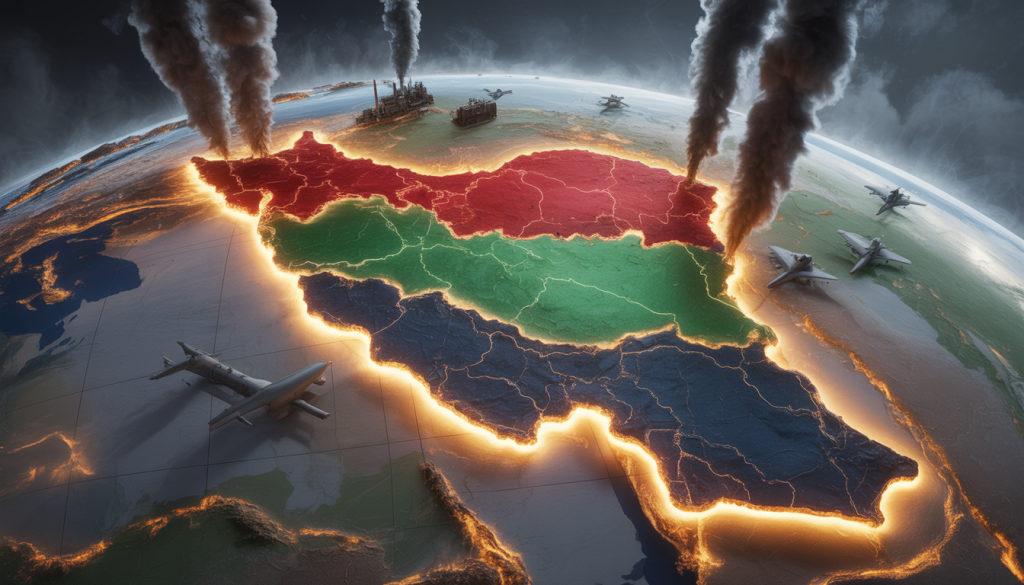
The ongoing tensions involving Iran have once again captured global attention. With increasing military movements, proxy conflicts, and rising rhetoric, analysts and policymakers are asking a crucial question:
Is the Iran conflict finally heading toward de-escalation, or is the world on the brink of a far more dangerous war?
This article explores the current state of the conflict, the roles of key global players like Israel and the United States, and what the future may hold.
Understanding the Roots of the Iran Conflict
To understand where things are heading, we must first examine where it all began.
Historical Context
The tensions surrounding Iran are not new. They stem from decades of geopolitical friction, including:
- The aftermath of the 1979 Iranian Revolution
- Long-standing hostility between Iran and the United States
- Strategic rivalry with Israel
- Influence over regional groups and proxy forces
Iran has positioned itself as a dominant force in the Middle East, often clashing indirectly with its adversaries through proxy conflicts in countries like Syria, Iraq, and Yemen.
Current Situation: What’s Happening Now?
1. Rising Military Tensions
Recent months have seen:
- Increased missile tests
- Naval confrontations in strategic waterways like the Strait of Hormuz
- Cyber warfare and intelligence operations
These actions signal that tensions are far from resolved.
2. Proxy Wars Intensifying
Iran’s involvement with armed groups across the region has led to:
- Clashes with Israeli forces
- Escalations in Gaza and Lebanon
- Growing instability in Iraq and Syria
These proxy wars act as pressure points, keeping the region on edge.
3. Global Powers Getting Involved
The United States continues to:
- Maintain military presence in the Middle East
- Support Israel militarily and diplomatically
- Impose sanctions on Iran
Meanwhile, countries like Russia and China are also influencing the situation, making it a multi-polar geopolitical struggle.
Is the War Likely to End Soon?
Signs of Possible De-escalation
There are a few indicators suggesting that the conflict could slow down:
Diplomatic Talks
Backchannel negotiations and indirect diplomacy have been reported. These talks aim to:
- Revive nuclear agreements
- Reduce sanctions
- Prevent direct military confrontation
Economic Pressure on Iran
Sanctions have significantly impacted Iran’s economy, potentially pushing leadership toward negotiation.
War Fatigue
Regional actors may prefer stability due to:
- Economic instability
- Public dissatisfaction
- Global pressure
Or Is a Bigger War Coming?
Despite hopes for peace, several warning signs suggest escalation is more likely.
1. Increasing Aggression
Both Iran and Israel have demonstrated:
- Willingness to strike strategic targets
- Use of advanced weaponry
- Expansion of military operations
This raises the risk of direct confrontation.
2. Nuclear Concerns
Iran’s nuclear program remains a critical issue. If tensions rise:
- Israel may launch preemptive strikes
- The United States could intervene militarily
This scenario could trigger a full-scale regional war.
3. Chain Reaction Effect
A single incident could spark widespread conflict:
- Attack on oil infrastructure
- Assassination of key leaders
- Miscalculation during military operations
In such a volatile environment, escalation can happen rapidly.
Key Scenarios for the Future
Scenario 1: Controlled De-escalation (Best Case)
- Diplomatic agreements are reached
- Sanctions are eased
- Proxy conflicts are reduced
Likelihood: Moderate but fragile
Scenario 2: Prolonged Cold Conflict (Most Likely)
- No direct war, but ongoing tensions
- Continued proxy battles
- Periodic escalations
Likelihood: High
Scenario 3: Full-Scale Regional War (Worst Case)
- Direct Iran-Israel conflict
- U.S. military involvement
- Disruption of global oil supply
Likelihood: Low to moderate—but rising
Global Impact of Escalation
If the conflict intensifies, the consequences will be severe.
Economic Impact
- Oil prices could skyrocket
- Global markets may crash
- Inflation could worsen worldwide
Political Consequences
- Increased polarization among global powers
- Weakening of international institutions
- Rise in nationalism and military alliances
Humanitarian Crisis
- Civilian casualties
- Refugee crises
- Infrastructure destruction
What Experts Are Saying
Geopolitical analysts are divided:
- Some believe diplomacy will prevail due to economic pressures
- Others warn that current trends mirror pre-war conditions seen in past global conflicts
The consensus?
The situation is highly unpredictable and extremely fragile.
Role of Technology and Modern Warfare
Unlike past conflicts, this situation involves:
- Cyber warfare
- Drone attacks
- AI-assisted military strategies
These tools increase both precision and unpredictability, making escalation faster and harder to control.
Can the International Community Prevent War?
Global organizations and major powers can play a key role by:
- Facilitating dialogue
- Enforcing international agreements
- Preventing unilateral military actions
However, political interests often limit effectiveness.
Conclusion: Peace or a Storm Ahead?
So, is the Iran war ending?
Not quite.
While there are small signs of possible de-escalation, the broader picture suggests that the conflict is more likely to:
➡️ Continue as a prolonged geopolitical struggle
➡️ With a real risk of sudden and dangerous escalation
The world is essentially standing at a tipping point.
FAQs
1. Is there an official war involving Iran right now?
Not a declared full-scale war, but multiple ongoing conflicts and tensions involving Iran and other nations.
2. Why is Iran in conflict with Israel?
Due to ideological differences, regional influence, and security concerns, especially regarding Iran’s nuclear program.
3. Could this lead to World War III?
While unlikely, a large-scale escalation involving major powers could increase that risk.
4. What would trigger a full-scale war?
A major military strike, nuclear escalation, or miscalculation between key players.
5. How does this affect everyday people globally?
Through rising fuel prices, economic instability, and potential geopolitical instability.