Introduction
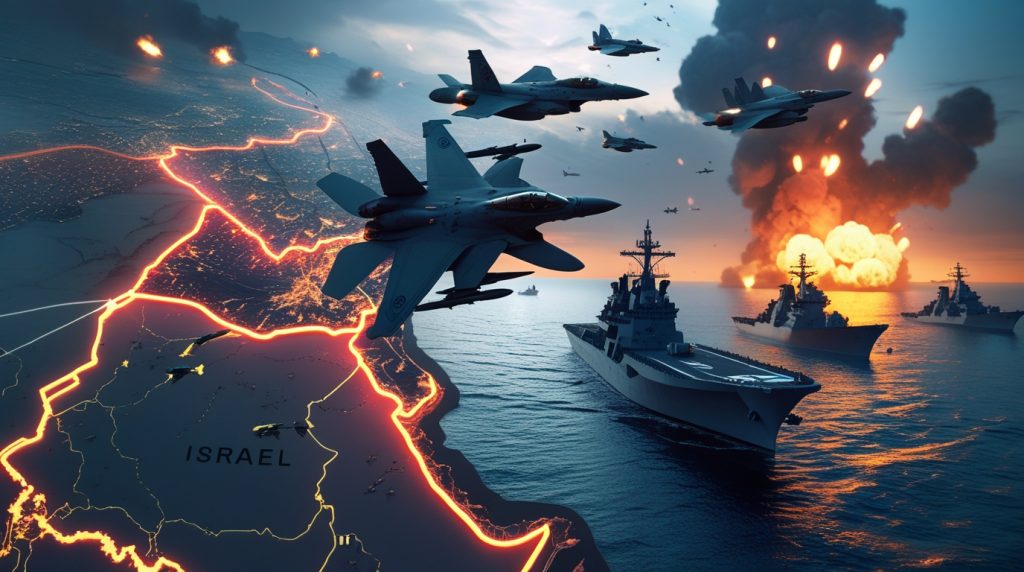
The Middle East conflict involving Iran, Israel, and the United States has become one of the most significant geopolitical crises of 2026. What began as targeted military strikes and retaliatory attacks quickly escalated into a wider regional confrontation, shaking global markets, energy supplies, and diplomatic relations.
The conflict has not only intensified long-standing tensions in the Middle East but also triggered ripple effects across the global economy. Rising oil prices, supply chain disruptions, and geopolitical instability have made this crisis a major concern for governments, businesses, and citizens worldwide.
In this article, we explore the origins of the conflict, key developments, and its far-reaching global impacts.
Background of the Iran–Israel–US Conflict
Long-Standing Rivalries in the Middle East
The roots of the conflict lie in decades of political, ideological, and military tensions between Iran and Israel, with the United States acting as Israel’s primary ally.
Key points of tension include:
- Iran’s nuclear ambitions
- Israel’s security concerns
- U.S. sanctions on Iran
- Proxy conflicts in countries like Syria, Iraq, and Yemen
Over the years, the rivalry has evolved into a shadow war involving cyberattacks, covert operations, and proxy battles across the region.
The Escalation in 2026
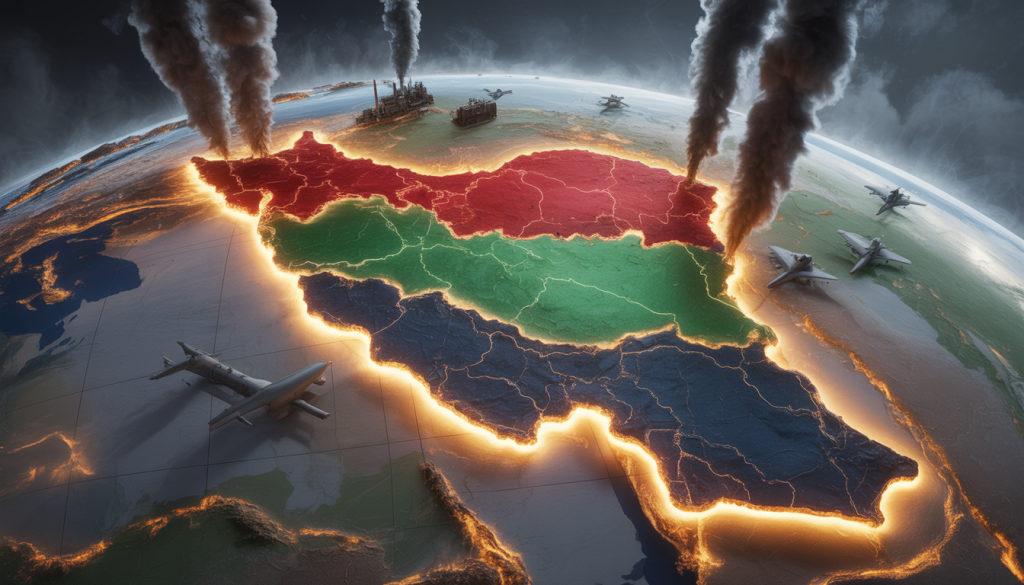
The current crisis escalated when coordinated U.S. and Israeli military strikes targeted Iranian facilities, prompting Iran to launch missile and drone attacks against Israeli and American targets.
The situation intensified rapidly, leading to:
- Military confrontations across the Persian Gulf
- Disruption of shipping routes
- Attacks on energy infrastructure
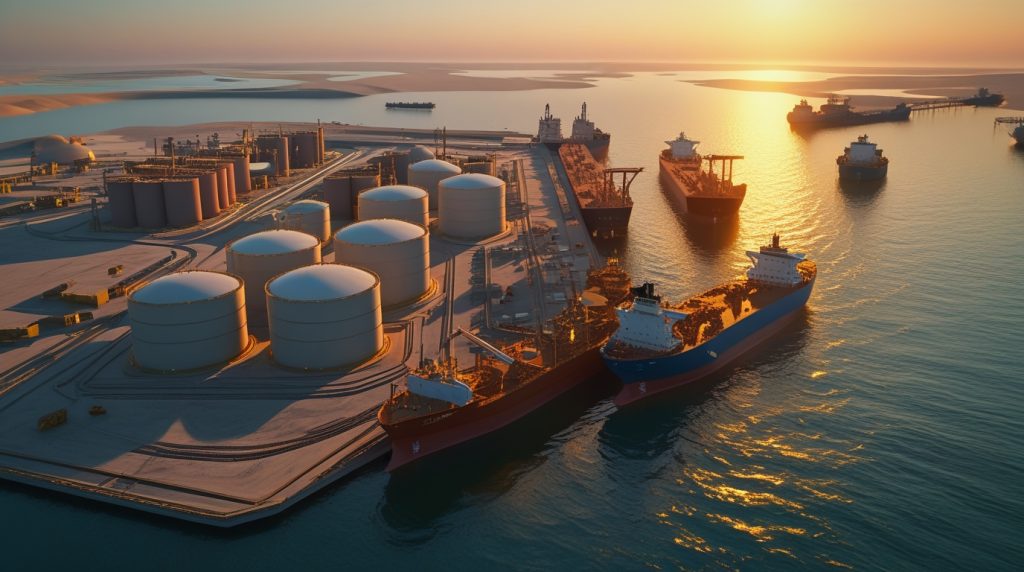
One of the most alarming developments has been the disruption of traffic through the Strait of Hormuz, a narrow but extremely important global energy route.
Why the Strait of Hormuz Matters
The Strait of Hormuz is one of the most critical maritime chokepoints in the world.
Key facts:
- About 20% of global oil supply passes through the strait daily.
- The route carries oil exports from major producers such as Saudi Arabia, Iraq, and the UAE.
- It is also vital for global liquefied natural gas (LNG) trade.
Any disruption in this waterway immediately affects global energy markets. Since the escalation began, tanker traffic has slowed significantly, raising fears of a global energy crisis.
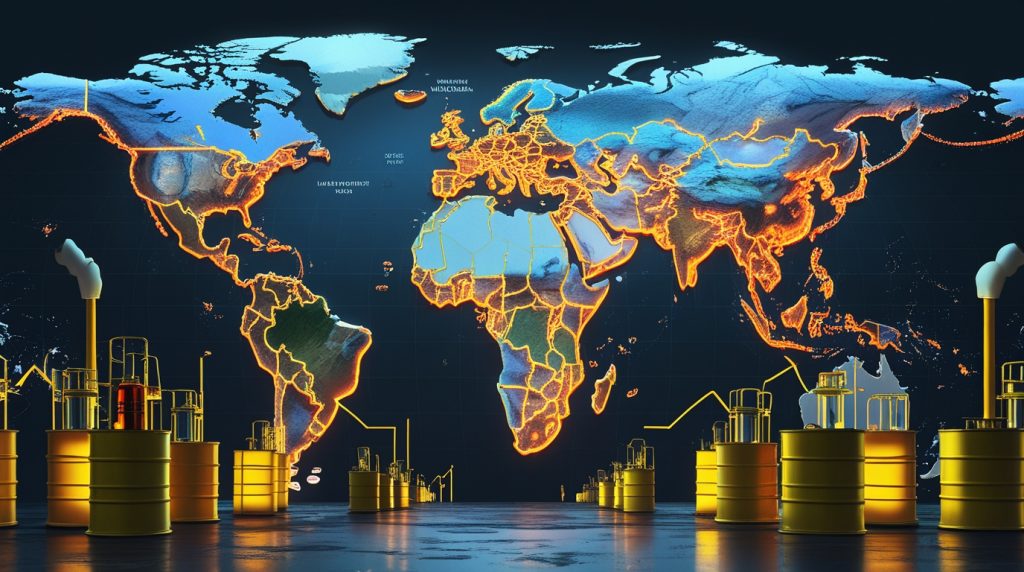
Impact on Global Energy Markets
Oil Price Volatility
Energy markets were the first to react to the conflict.
Oil prices surged sharply after hostilities began:
- Global oil prices rose more than 25% in the early days of the war.
- Brent crude briefly climbed above $100 per barrel amid supply fears.
Analysts warn that a prolonged disruption in Gulf oil shipments could push prices even higher.
Diesel and Fuel Supply Crisis
The conflict has also disrupted global fuel markets.
- Diesel prices have surged due to supply disruptions and shipping risks.
- Up to 20% of global seaborne diesel trade passes through the Gulf region.
Higher fuel costs affect nearly every sector of the economy, from transportation to agriculture.
Global Economic Consequences
Rising Inflation
Energy prices influence the cost of almost every product in the global economy.
When oil prices increase:
- transportation becomes more expensive
- food production costs rise
- manufacturing becomes more costly
Economic analysis shows that every 10% increase in oil prices can significantly increase consumer inflation worldwide.
As a result, the conflict is contributing to a new wave of global inflation.
Threat of Stagflation
Many economists warn that the crisis could trigger stagflation, a dangerous combination of:
- slow economic growth
- high inflation
- rising unemployment
Supply disruptions in energy, shipping, and manufacturing could slow global economic activity.
Impact on Global Trade and Supply Chains
The Middle East sits at the crossroads of international trade.
When conflict disrupts the region, shipping routes and supply chains are immediately affected.
Major risks include:
- Higher shipping insurance costs
- Delays in global cargo transport
- Rising prices of raw materials
Since more than 80% of global trade moves by sea, any disruption in strategic shipping routes can significantly impact the global economy.
Effects on Different Regions
Europe
European countries are highly dependent on imported energy.
After cutting Russian gas imports, many European nations turned to Middle Eastern energy supplies. Any disruption could push energy prices even higher and slow economic growth.
Asia
Asian economies are among the biggest energy importers in the world.
Countries such as:
- India
- Japan
- South Korea
- China
could face significant economic pressure if oil supplies from the Middle East are reduced.
Developing Countries
Developing nations are especially vulnerable to energy shocks.
Higher fuel prices can lead to:
- rising food prices
- increased transportation costs
- economic instability
For many developing economies, this conflict could worsen existing financial challenges.
Geopolitical Consequences
Rising Global Tensions
The conflict is not limited to three countries. Many regional and global powers are involved indirectly.
Possible consequences include:
- expansion of proxy wars
- involvement of additional regional actors
- increased military spending worldwide
Shifting Global Alliances
Major powers such as China and Russia are closely watching the situation.
The crisis could reshape international alliances and influence global diplomacy for years to come.
Possible Future Scenarios
Several outcomes are possible depending on how the conflict develops.
1. Diplomatic De-escalation
International mediation could lead to a ceasefire and stabilization of energy markets.
2. Prolonged Regional War
If hostilities continue, the conflict could spread to neighboring countries.
3. Global Economic Shock
A prolonged disruption of oil supplies could trigger a worldwide recession.
Conclusion
The Middle East conflict involving Iran, Israel, and the United States is more than a regional war—it is a crisis with profound global implications.
From rising oil prices and inflation to disruptions in global trade and economic growth, the effects of this conflict are being felt across continents.
As diplomatic efforts continue and the situation evolves, the world remains watchful. The outcome of this crisis will likely shape global politics, energy markets, and economic stability for years to come.
Frequently Asked Questions (FAQs)
1. What is the Middle East conflict involving Iran, Israel, and the United States?
The Middle East conflict refers to escalating military and political tensions between Iran and Israel, with the United States supporting Israel as a key ally. The crisis intensified in 2026 after military strikes, missile attacks, and drone warfare between the sides, raising fears of a wider regional war.
2. Why are Iran and Israel in conflict?
The rivalry between Iran and Israel stems from political, ideological, and security tensions. Israel views Iran’s nuclear program as a major threat, while Iran opposes Israel’s regional influence and alliances with Western countries, especially the United States.
3. Why is the United States involved in the conflict?
The United States is closely allied with Israel and provides military, intelligence, and diplomatic support. The U.S. also seeks to prevent nuclear proliferation and maintain stability in the Middle East, which is crucial for global energy supply and international security.
4. Why is the Strait of Hormuz important in this conflict?
The Strait of Hormuz is one of the world’s most critical oil shipping routes. Nearly one-fifth of the world’s oil supply passes through this narrow waterway. Any disruption caused by military tensions could severely affect global energy markets and oil prices.
5. How does the conflict affect global oil prices?
Conflicts in the Middle East often create uncertainty in energy markets. When tensions rise near major oil-producing regions or shipping routes like the Strait of Hormuz, oil supply fears increase, causing global oil prices to surge.
6. What impact could the conflict have on the global economy?
The conflict could lead to higher energy costs, rising inflation, disrupted supply chains, and slower economic growth worldwide. Countries that rely heavily on imported oil—especially in Asia and Europe—may face significant economic pressure.
7. Could this conflict turn into a wider regional war?
Yes, analysts warn that if tensions escalate further, other countries in the Middle East could become involved. Regional alliances, proxy groups, and global powers could expand the conflict beyond Iran, Israel, and the United States.
8. How might the conflict affect developing countries?
Developing countries are particularly vulnerable to rising fuel and food prices caused by global energy disruptions. Higher transportation costs and inflation could increase economic hardship in many parts of the world.
9. What role does diplomacy play in resolving the conflict?
International diplomacy, negotiations, and mediation by global organizations and major powers are crucial for de-escalating tensions. Diplomatic solutions could help prevent further military escalation and stabilize global markets.
10. How long could the Middle East conflict last?
The duration of the conflict depends on political decisions, military developments, and international diplomatic efforts. Some conflicts in the region have lasted years, while others have been resolved through ceasefire agreements and negotiations.