Introduction
Food is more than just nourishment—it’s culture, identity, and tradition served on a plate. Every country has its own unique way of eating, shaped by history, geography, and lifestyle. What feels completely normal in one place can seem strange or even shocking somewhere else.
When it comes to the United States, food culture is bold, creative, and sometimes downright unusual. From mixing sweet and savory flavors to deep-frying just about anything, American eating habits often surprise visitors from around the globe.
In this blog, we’ll explore 15 strange American food habits that leave the rest of the world curious, confused, or amused. Whether you’re a foodie, a traveler, or just someone who loves cultural insights, this guide will give you a fresh perspective on how Americans eat.
1. Mixing Sweet and Savory Like It’s Normal
One of the most surprising things for foreigners is how Americans mix sweet and savory foods in a single dish.
Popular examples include:
- Chicken and waffles with syrup
- Bacon paired with maple syrup
- Sweet potato dishes topped with marshmallows
In many cultures, sweet foods are reserved strictly for dessert. But in the U.S., combining flavors is a creative expression. The contrast between salty and sweet is seen as delicious rather than strange.
2. Eating Dessert for Breakfast
Imagine starting your day with what looks like dessert—that’s quite common in America.
Typical American breakfasts include:
- Pancakes covered in syrup
- Donuts and pastries
- Sugary breakfast cereals
For people from countries where breakfast is savory (like rice, bread, or eggs), this can feel excessive. But in the U.S., convenience and taste often take priority over strict food categories.
3. Huge Portion Sizes
Perhaps the most famous American food habit is oversized portions.
At restaurants, you’ll often find:
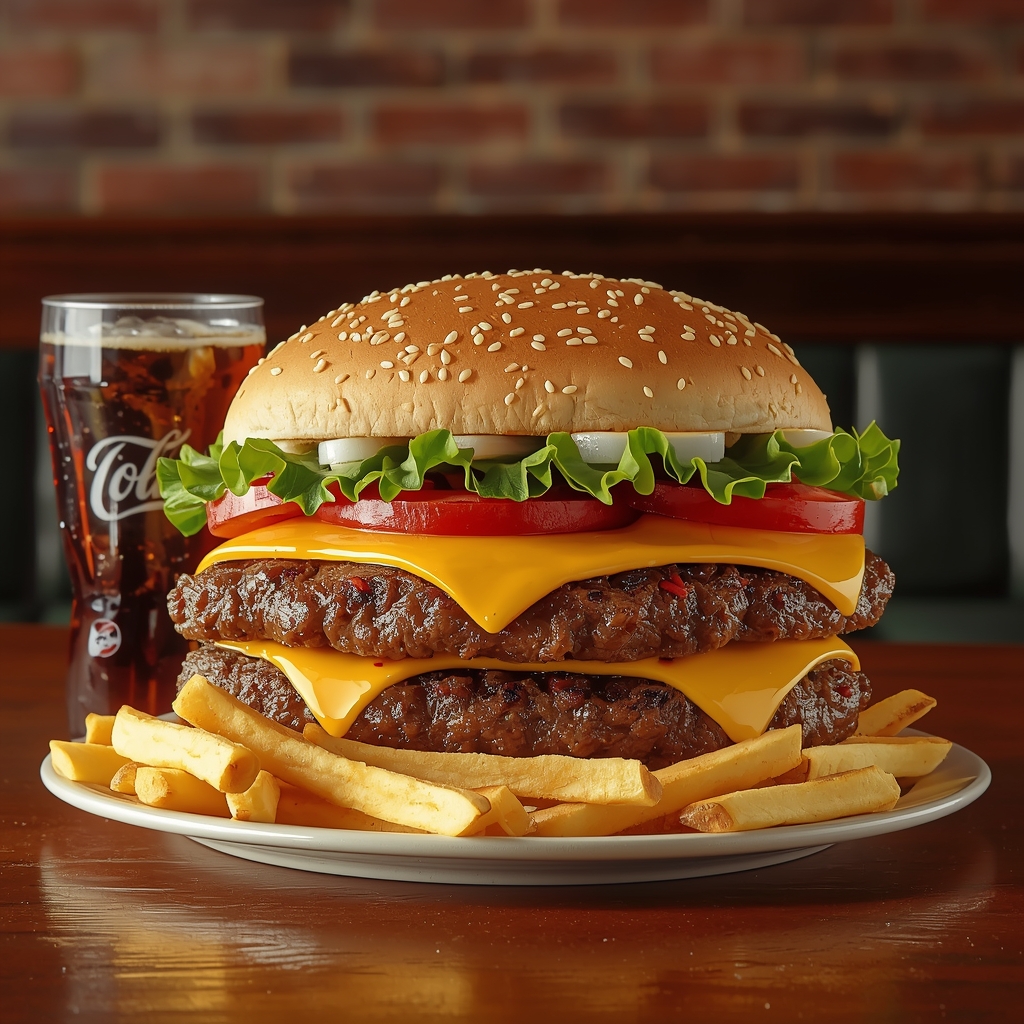
- Burgers bigger than your hands
- Plates overflowing with fries
- Drinks that come in “large,” “extra-large,” or even “supersize”
Visitors are often shocked by how much food is served in one meal. This culture of abundance is tied to value perception—more food means better value for money.
4. The “Free Refill” Culture
Another surprising habit is unlimited drink refills.
In many American restaurants, you can refill your soda, tea, or coffee multiple times—often for free.
For people from other parts of the world, where each drink is charged separately, this feels unusual and even excessive. It also contributes to high sugar consumption.
5. Peanut Butter Obsession
Americans love peanut butter—and not just in sandwiches.
Common uses include:
- Peanut butter and jelly (PB&J) sandwiches
- Peanut butter in smoothies
- Even peanut butter on burgers
In many countries, peanut butter is either rare or used differently. The American fascination with it often surprises newcomers.
6. Cheese Comes in a Spray Can
Yes, you read that right—cheese in a can.
Spray cheese is a processed product that can be squeezed directly onto crackers or snacks. While it’s popular for its convenience, many people from other countries find it unnatural or even bizarre.
This reflects a broader American trend toward processed and convenience foods.
7. Deep-Frying Everything
If it can be fried, Americans will try it.
At fairs and festivals, you’ll find:
- Fried Oreos
- Fried ice cream
- Fried butter
Deep-frying desserts is particularly shocking to outsiders. While frying is common worldwide, frying sweets to this extent is uniquely American.
8. Ice in Every Drink—Even in Winter
Americans love ice—lots of it.
Whether it’s summer or winter, drinks are often served filled with ice. Even water comes chilled by default.
For people from colder regions or cultures that prefer room-temperature drinks, this habit feels unnecessary and sometimes uncomfortable.
9. Drinking Milk with Meals
In many countries, milk is associated with breakfast or children. But in America, it’s common to drink milk with lunch or dinner.
For example:
- Milk with burgers
- Milk with pasta
- Milk in school lunches
This habit often surprises visitors who are used to water or tea with meals.
10. Ranch Dressing on Everything
Ranch dressing is one of America’s favorite condiments—and it’s used everywhere.
People put ranch on:
- Pizza
- Fries
- Chicken wings
- Even salads (of course!)
The popularity of ranch dressing is so widespread that it has become a cultural symbol of American eating habits.
11. Eating on the Go
Americans are always busy, and their eating habits reflect that.
Common practices include:
- Eating in cars
- Grabbing fast food between errands
- Skipping traditional sit-down meals
In many cultures, meals are social events. But in the U.S., convenience often comes first.
12. Fast Food Dominance
The United States is the birthplace of fast food culture.
Fast food is popular because it is:
- Quick
- Affordable
- Widely available
Chains are found everywhere, making it easy to eat out frequently. For visitors, the sheer number of fast food options can be overwhelming.
13. Adding Sugar to Almost Everything
Sugar is everywhere in American food—even where you wouldn’t expect it.
Examples include:
- Bread with added sugar
- Sauces and dressings
- Packaged snacks
Compared to many countries, American food tends to be sweeter overall. This often surprises people trying it for the first time.
14. Unusual Food Combinations
Americans are known for experimenting with food.
Some unusual combinations include:
- Mac and cheese with hot dogs
- Pizza with pineapple
- Burgers with donuts as buns
While some combinations gain global popularity, others remain uniquely American quirks.
15. Celebrating Food with Extreme Creativity
From themed restaurants to food challenges, Americans turn eating into entertainment.
Examples include:
- Eating competitions
- Giant food challenges
- Creative food festivals
This playful approach to food is fun but can feel excessive to outsiders.
Why Do These Food Habits Exist?
Understanding these habits requires looking at American culture as a whole.
1. Convenience-Driven Lifestyle
Busy schedules lead to quick meals and processed foods.
2. Abundance of Resources
Large portion sizes reflect a culture of plenty.
3. Cultural Diversity
The U.S. is a melting pot of cultures, leading to creative food combinations.
4. Commercial Influence
Advertising and food industries play a huge role in shaping eating habits.
Comparison: American vs. Global Food Culture
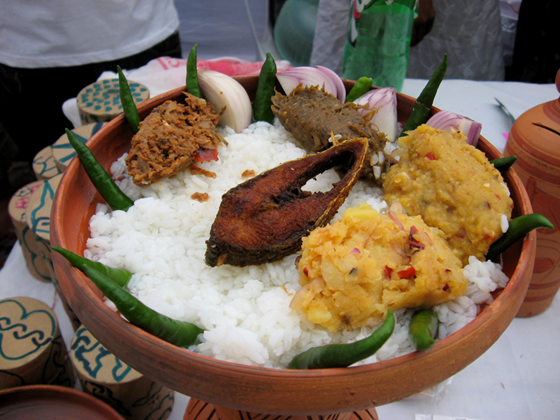
In countries like Bangladesh or Japan:
- Meals are often balanced and portion-controlled
- Eating is more social and less rushed
- Natural ingredients are preferred
In contrast, American food culture emphasizes:
- Convenience
- Variety
- Bold flavors
Neither is right or wrong—they’re simply different cultural expressions.
Are These Habits Changing?
Yes, slowly but surely.
In recent years, many Americans are becoming more health-conscious. Trends include:
- Organic and natural foods
- Plant-based diets
- Reduced sugar intake
While traditional habits still exist, the food culture is evolving.
FAQs
1. Why do Americans eat so much fast food?
Fast food is convenient, affordable, and widely available, making it a popular choice for busy lifestyles.
2. Are all Americans’ eating habits the same?
No, eating habits vary greatly depending on region, culture, and personal preferences.
3. Why are portion sizes so large in the U.S.?
Large portions are often seen as better value for money and reflect a culture of abundance.
4. Is American food unhealthy?
Not necessarily. While some habits involve processed foods, many Americans are shifting toward healthier options.
5. Do Americans really eat dessert for breakfast?
Yes, it’s quite common, especially with foods like pancakes, waffles, and sugary cereals.
Conclusion
American food habits are a fascinating mix of creativity, convenience, and culture. While some practices may seem strange to outsiders, they reflect the lifestyle and diversity of the United States.
From deep-fried desserts to oversized meals, these habits tell a story about how Americans live, work, and enjoy their food. And while the world may find them surprising, they also make American cuisine one of the most unique and recognizable in the world.