Iran war why?
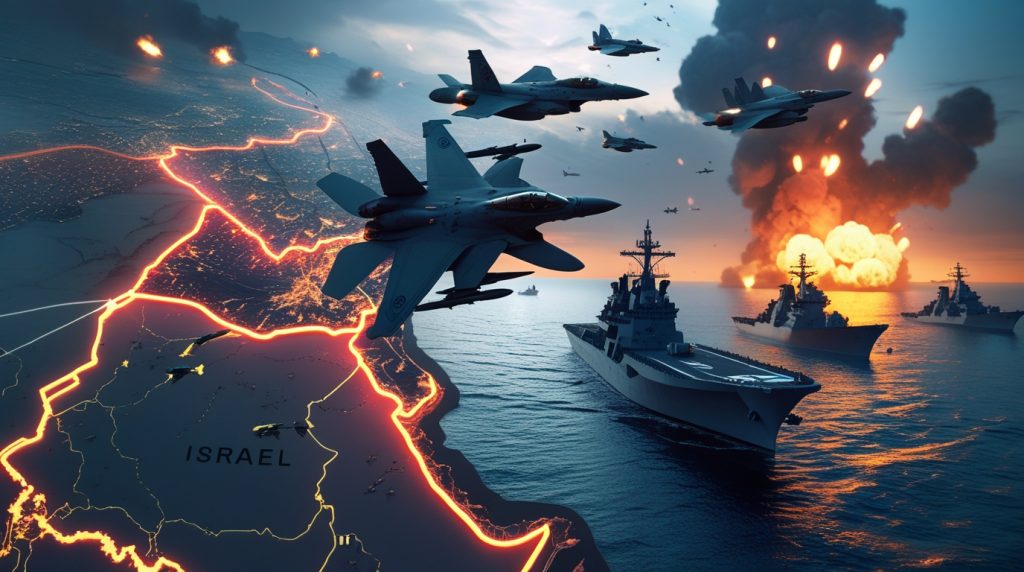
The conflict involving Iran has emerged as one of the most complex and contentious issues in modern geopolitics. With deep historical roots and a myriad of influencing factors, tensions between Iran and various global and regional powers have only intensified in recent years. From its controversial nuclear program to ongoing proxy wars in the Middle East, the potential for conflict carries significant implications not only for the region but for global stability as well. This article explores the multifaceted dimensions of the Iran conflict, examining its historical context, key players, underlying causes, and possible future scenarios, all while considering the dire consequences that warfare could entail.
Overview of the Iran Conflict
Current State of Affairs
As of late 2023, the Iran conflict remains a hotbed of tension, simmering with the potential to boil over at any moment. Iran’s nuclear ambitions continue to be a focal point of international scrutiny, while economic sanctions have left the country teetering on the brink of financial collapse. Domestic protests and geopolitical maneuvering have only added fuel to the fire, with a constant dance of diplomacy and threats swirling through the region.
Timeline of Key Events
- 1953: The CIA-backed coup overthrows Iran’s democratically elected Prime Minister, Mohammad Mossadegh.
- 1979: The Iranian Revolution leads to the establishment of the Islamic Republic.
- 1980-1988: The Iran-Iraq War wreaks havoc, inflicting massive casualties and economic devastation.
- 2003: The U.S. invades Iraq, increasing tensions and suspicions surrounding Iran.
- 2015: The Joint Comprehensive Plan of Action (JCPOA) is signed, aiming to curb Iran’s nuclear program.
- 2018: The U.S. withdraws from the JCPOA, reimposing sanctions.
- 2023: Renewed negotiations falter amid regional conflicts and internal strife.
Historical Context and Background
Pre-20th Century Iran
Before the 20th century, Iran (originally Persia) was a land of empires, trade, and cultural exchange. However, a mix of foreign interventions and internal strife heralded an era of change, paving the way for a nationalist awakening that would ultimately reshape its political landscape. Think of it as Iran’s very own historical soap opera, with more plot twists than you can shake a Persian rug at.
The 1979 Revolution
The 1979 Iranian Revolution was a seismic shift, overthrowing the pro-Western Shah and establishing a theocratic regime. The revolution was fueled by a cocktail of discontent, including westernization, economic issues, and a desire for nationalist reforms. Suddenly, Iran transformed from a monarchy into an Islamic Republic, sending shockwaves across the globe and creating a new status quo in the Middle East.
Post-Revolution Dynamics
Following the revolution, Iran’s relationship with the West soured dramatically. The Iran-Iraq War (1980-1988) followed, turning neighbor against neighbor in a brutal conflict that left scars on both nations. In the decades since, Iran has navigated a complex landscape, seeking to assert its influence while contending with sanctions, regional rivalries, and ongoing tension with the West. It’s been a rollercoaster ride of alliances and enmities that have shaped modern Iranian identity.
Key Players and Stakeholders
The Iranian Government
The Iranian government, led by Supreme Leader Ayatollah Ali Khamenei, is the central figure in the conflict. Holding significant power and influence, it reacts to both domestic pressures and international challenges while maintaining its grip on authority. If there were a championship belt for resisting change, Iran would be wearing it proudly.
Regional Powers: Saudi Arabia and Israel
Saudi Arabia and Israel have emerged as Iran’s primary regional adversaries, viewing its ambitions with suspicion and alarm. Saudi Arabia sees Iran as a threat to its leadership in the Islamic world, while Israel fears Iran’s nuclear capabilities and its support for militant groups. Think of them as the rival neighbors constantly peeking over the fence, unsure whether to wave or hurl insults.
Global Powers: The United States and Russia
The global powers involved add further complexity to the mix. The U.S. has long been a vocal critic of Iran, advocating for sanctions and military options. In contrast, Russia has sought to bolster its relationship with Tehran, viewing it as a counterbalance in the Middle East. The dance between these nations resembles an international chess game, with each move carefully calculated and loaded with potential consequences.
Major Causes of Tensions
Nuclear Program Controversies
Iran’s nuclear program is like the proverbial sword of Damocles hanging over the region. The U.S. and its allies suspect that Iran is pursuing the capability to develop nuclear weapons, while Iran insists its program is for peaceful purposes. It’s a classic case of “he said, she said,” but with much higher stakes involved.
Proxy Conflicts in the Region
Iran’s support for various armed groups in the region, such as Hezbollah in Lebanon and the Houthis in Yemen, has led to proxy conflicts that exacerbate tensions. These relationships akin to a chessboard of allegiances not only threaten regional stability but also draw in other nations into the fray, creating a tangled web of rivalries and hostilities.
Economic Sanctions and Isolation
Economic sanctions have tightened the noose around Iran’s economy, leading to widespread hardship and unrest. These sanctions have not only targeted the government but also impacted everyday Iranians, fueling dissatisfaction and sometimes leading to protests. It’s as though the economic pressure cooker is about to blow its top at any moment, and the world is watching with a mix of concern and fascination.
Potential Consequences of War
Humanitarian Impact on Civilians
War has a way of turning vibrant cities into ghost towns and bustling marketplaces into desolate ruins. Civilians often bear the brunt of conflict, facing displacement, injuries, and a dire lack of essentials like food, healthcare, and safety. The ripple effect of war can lead to a humanitarian crisis that pulls in not just the immediate region, but global humanitarian organizations scrambling to respond.
Regional Destabilization
Conflict doesn’t just stop at national borders—it’s more of an enthusiastic party crasher. A war in Iran could destabilize neighboring countries, leading to increased violence, a rise in refugee numbers, and even the resurgence of extremist groups. The Middle East is like a highly complex game of Jenga; one wrong move, and the whole structure might come tumbling down.
Global Economic Implications
If there’s one thing that gets the world’s attention, it’s a funky little thing called the economy. A war in Iran could cause ripples across the global market, particularly in oil prices since Iran is a major player in the oil game. Supply chains would be disrupted faster than you can say “inflation,” impacting everything from gas prices to the cost of your morning latte.
International Reactions and Implications
United Nations Involvement
The United Nations might jump into action faster than a cat on a laser pointer when it comes to conflict. Their role may include imposing sanctions, calling for ceasefires, or even deploying peacekeeping missions. However, navigating the intricacies of international politics can be as tricky as herding cats, with member states often at odds over the best course of action.
Responses from NATO Allies
NATO allies may find themselves in a bit of a pickle—do they intervene, stay out, or take a diplomatic approach? Each member has different stakes in the game; while some focus on humanitarian support, others may lean towards military action. Expect a lot of meetings, discussions, and probably some tense moments in the process.
Public Opinion in Iran and Abroad
Public sentiment can be as unpredictable as a toddler with a crayon. In Iran, citizens may rally for peace, but the government’s stance might not sync up. Abroad, opinions will likely vary from outrage to indifference, shaped by media coverage and political narratives. Navigating public opinion will be crucial for governments deciding how to react.
Paths to Resolution and Peace
Diplomatic Efforts and Negotiations
When it comes to resolving conflict, talking it out is usually more effective than shouting. Diplomatic efforts can lead to negotiations that might involve trade-offs, treaties, and a hefty dose of patience. Think of it like couples therapy for nations—everyone needs to air their grievances while working towards a happier future.
Role of International Organizations
Organizations like the UN, OIC, and others can act as mediators, putting on their best peacemaking hats. They can offer platforms for dialogue, provide humanitarian aid, and, ideally, help build a framework for lasting peace. Their involvement could be the key to getting parties to the table (or at least in the same Zoom meeting).
Grassroots Movements for Peace
Sometimes the loudest voices come from the ground up. Grassroots movements advocating for peace can gather momentum, bringing together citizens to push for diplomatic solutions. When people unite for a common cause, they can create a force that even the most stubborn politicians can’t ignore.
Future Outlook and Scenarios
Best-Case Scenarios
Imagine a world where diplomacy prevails, and tensions ease. In the best-case scenario, Iran and its neighbors enter peace negotiations, leading to stability, economic cooperation, and a newfound sense of camaraderie. The whole region could flourish, becoming a beacon of hope rather than a hotspot for conflict.
Worst-Case Scenarios
On the flip side, the worst-case scenario involves widespread chaos, escalating violence, and a humanitarian disaster that draws in global powers. Ripple effects of destabilization could spiral out of control, leading to a long-lasting conflict that disrupts the region and beyond. Yikes.
Long-term Strategic Considerations
Regardless of immediate outcomes, strategic considerations for the future will hinge on stability and cooperation. Nations will have to navigate alliances, economic dependencies, and the delicate balance of power. Long-term peace will require commitment to rebuilding and establishing robust diplomatic ties, so that the specter of war doesn’t loom as large in the future.In conclusion, the complexities surrounding the Iran conflict highlight the delicate balance of power in the region and the potential risks of escalation into war. As various stakeholders navigate their interests and the international community seeks pathways to peace, it remains crucial to understand the underlying dynamics at play. The future of Iran, its neighbors, and global stability hinges on collaborative efforts toward resolution, making it imperative for all parties involved to prioritize diplomacy over conflict.
FAQ
What are the main causes of the Iran conflict?
The primary causes include Iran’s nuclear program, regional proxy conflicts, economic sanctions, and historical grievances with neighboring countries and global powers.
Who are the key players involved in the Iran conflict?
Key players include the Iranian government, regional powers like Saudi Arabia and Israel, and global powers such as the United States and Russia, each with their own interests and agendas.
What could be the potential consequences of war with Iran?
Potential consequences include significant humanitarian crises, regional destabilization, increased tensions between global powers, and severe economic ramifications on a global scale.
Are there any ongoing diplomatic efforts to resolve the conflict?
Yes, various diplomatic efforts are underway, including negotiations involving international organizations, bilateral talks, and grassroots movements advocating for peace, aimed at finding a sustainable resolution to the conflict.